Literature · English
George Eliot
Also known as Mary Ann Evans · Marian Evans · 乔治·艾略特
1819 — 1880
Novelist, editor, and translator
A novelist whose attentive portraits of ordinary communities asked readers to enlarge their sympathy and examine the consequences of small choices.
Saved lives stay only on this device.
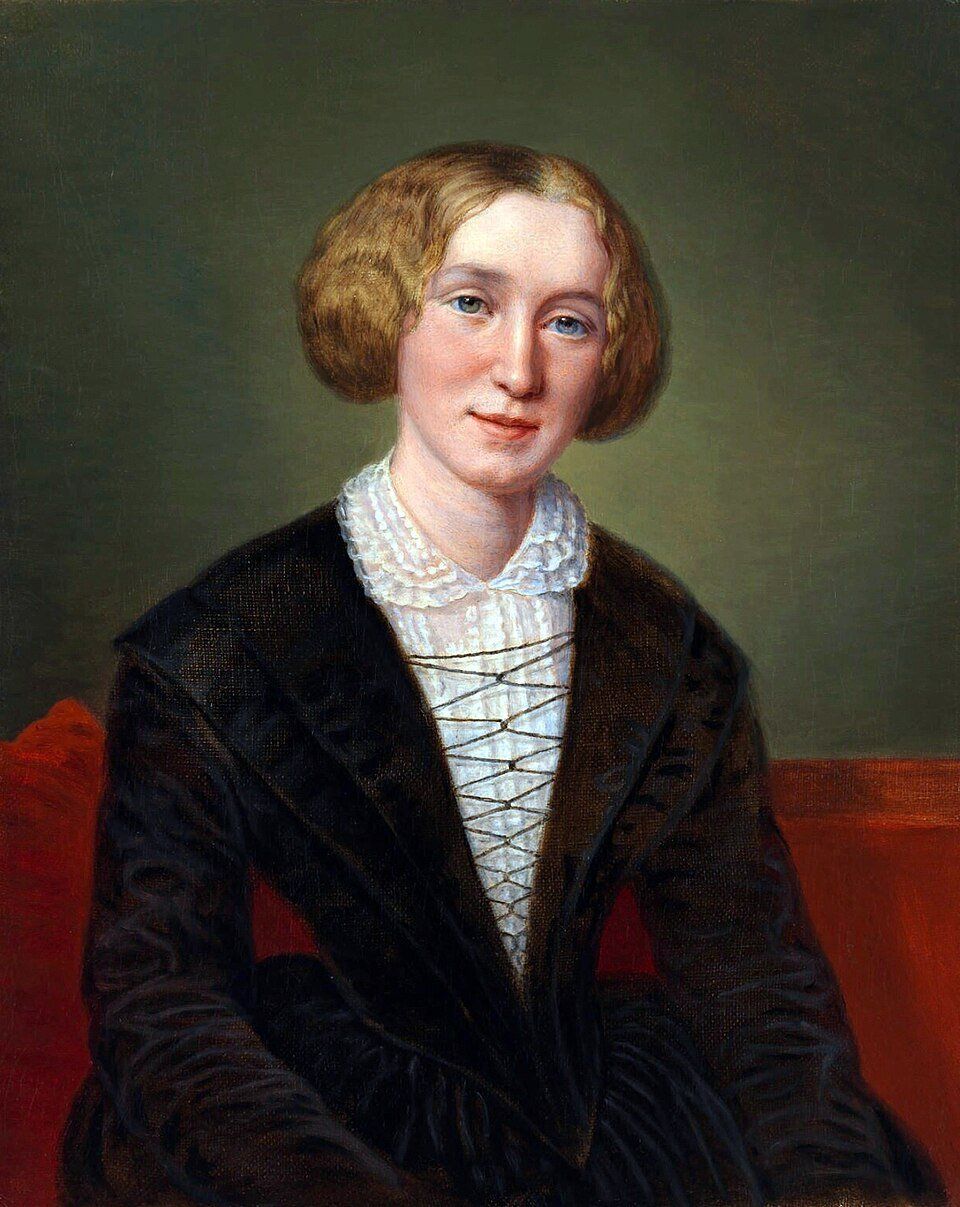
The life behind the name
A life, in context
George Eliot was the pen name of Mary Ann Evans, born in Warwickshire and raised in a rural community whose details later informed her fiction. Reading and intellectual friendships widened her interests beyond the religious assumptions of her childhood. She translated demanding works of theology and philosophy and worked with the Westminster Review, developing a career in criticism and editing before publishing fiction. Her partnership with George Henry Lewes brought support as well as social disapproval because of his existing marriage.
Novels including Adam Bede, The Mill on the Floss, Silas Marner, and Middlemarch examine people within networks of family, work, belief, and obligation. Eliot's narrators repeatedly ask readers to consider what they cannot immediately see about another person's motives. Her fiction attends to disappointment and limited opportunity without making ordinary lives seem insignificant. Daniel Deronda extended her interest in identity and belonging into new settings. She died in 1880. Her literary legacy offers a patient form of moral attention: understanding a person requires time, context, and a willingness to recognize that the story is larger than our first judgment.
What they helped make possible
The legacy that continues
Eliot deepened the social and psychological range of the English novel. Her combination of narrative intelligence and sympathy linked individual decisions to communities and institutions. Her work continues to support reflection on how a modest act, a mistaken judgment, or an overlooked kindness can alter another person’s possibilities.
Moments along the way
A life in chapters
- 1859
Adam Bede
Her first full-length novel established a broad readership.
- 1871
Middlemarch begins publication
The novel appeared in parts through 1872.
- 1876
Daniel Deronda
Her final novel explored identity, vocation, and belonging.
Remembered together
A place to remember together.
Leave a gesture, share a thought, and keep this life close.
Following is saved to your account across devices. “Save for later” keeps a separate bookmark in this browser.
Checking your account…
Một khoảnh khắc yên lặng để nhớ.
Phong tục và niềm tin có thể khác nhau. Hãy tự do chọn cách phù hợp với bạn.
Những khoảnh khắc cùng tưởng nhớ
Thoughts on this life
Comments are reviewed before appearing publicly. Share a thoughtful reflection on this person’s life or work.
Suggest a profile correction
Help keep this public record accurate. Suggestions are reviewed before the profile is changed, and a source link is especially helpful for factual details.
Loading shared remembrance…
A personal practice
Carry something forward.
A legacy can begin with one small choice. Write for yourself; these words are never added to the public memorial.
Private to this browser. Turning saving off removes the saved copy. Download a copy to take it with you.
Not saved on this device.
Share this public story
A name, a story and a light to carry forward. This link opens the reviewed public page.
Create a memory book
Choose the stories to keep, arrange their chapters, and make a printable copy. Book edits apply to your exported copy.
Every life is a light. A story to keep.
7 selected chapters
Edit this chapter
Edit this chapter
Edit this chapter
Edit this chapter
Edit this chapter
Edit this chapter
Edit this chapter
Read further
Sources & further reading
Explore the published references behind this profile. These links open in a new tab.
- George Eliot Fellowship — Her life (opens in a new tab)www.georgeeliot.org
- Wikipedia — George Eliot, biography and references (opens in a new tab)en.wikipedia.org
- Portrait: replica by François D’Albert Durade (1804–1886) · Public domain (opens in a new tab)commons.wikimedia.org
A place for your own remembrance
Is there someone you are remembering?
You can begin with a name and one memory. A private memorial space can hold photographs, stories and the dates your family returns to.
Private by default. You decide what to share.