Science · American
George Washington Carver
Also known as 乔治·华盛顿·卡弗
Remembered since 1943
Agricultural scientist and educator
An agricultural scientist and teacher who promoted soil care, crop diversification and practical knowledge for farmers.
Saved lives stay only on this device.
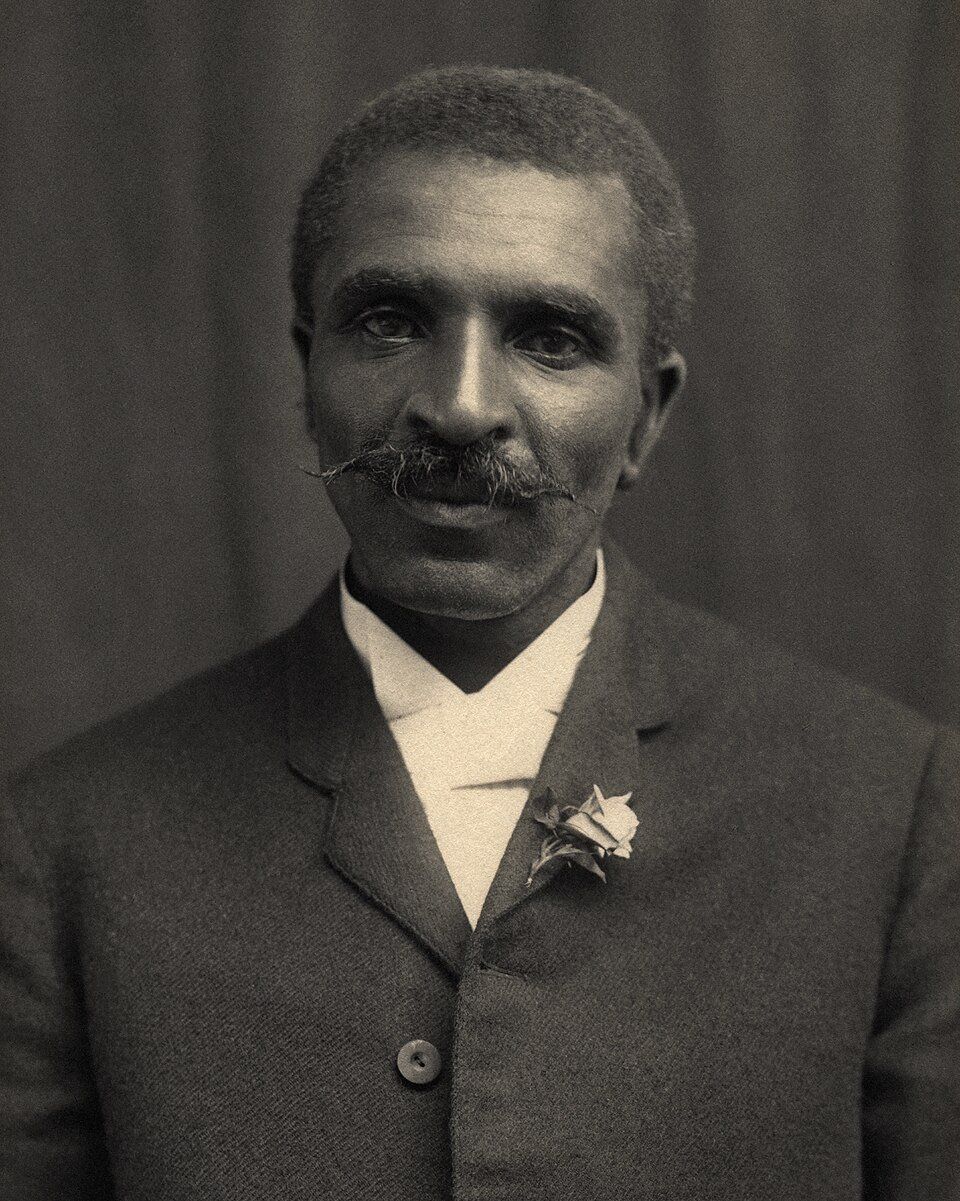
The life behind the name
A life, in context
George Washington Carver was born into slavery near Diamond, Missouri, around 1864. His exact birth date is not reliably established, so it is left unrecorded here. He pursued education through difficult circumstances and developed interests in plants, art and agriculture. At Iowa State, he studied agricultural science and became its first Black faculty member. In 1896, he moved to Tuskegee Institute in Alabama to lead agricultural teaching and research.
Carver encouraged farmers to improve depleted soils by rotating crops and growing alternatives to cotton, including peanuts and sweet potatoes. He investigated uses for these crops and produced practical bulletins on farming, food and household needs. Demonstrations and the Jesup agricultural wagon brought instruction beyond the campus to rural communities. His public reputation often centers on products made from peanuts, but his broader work concerned soil, livelihoods and access to useful knowledge. He remained at Tuskegee for the rest of his career. His life records both scientific investigation and the patient educational work needed to make information valuable to people facing limited resources and unequal opportunities.
What they helped make possible
The legacy that continues
Carver promoted soil conservation, crop diversification and accessible agricultural education. His research and outreach supported farmers seeking practical alternatives to dependence on cotton.
Moments along the way
A life in chapters
- 1894
Agricultural degree
Completed undergraduate studies at Iowa State.
- 1896
Tuskegee Institute
Began leading agricultural teaching and research at Tuskegee.
- 1906
Jesup agricultural wagon
Helped bring practical agricultural instruction to rural communities.
Remembered together
A place to remember together.
Leave a gesture, share a thought, and keep this life close.
Following is saved to your account across devices. “Save for later” keeps a separate bookmark in this browser.
Checking your account…
静かに思いを寄せるひととき。
習慣や信仰は人それぞれです。ご自身に合う方法を自由にお選びください。
寄せられた思い
Thoughts on this life
Comments are reviewed before appearing publicly. Share a thoughtful reflection on this person’s life or work.
Suggest a profile correction
Help keep this public record accurate. Suggestions are reviewed before the profile is changed, and a source link is especially helpful for factual details.
Loading shared remembrance…
A personal practice
Carry something forward.
A legacy can begin with one small choice. Write for yourself; these words are never added to the public memorial.
Private to this browser. Turning saving off removes the saved copy. Download a copy to take it with you.
Not saved on this device.
Share this public story
A name, a story and a light to carry forward. This link opens the reviewed public page.
Create a memory book
Choose the stories to keep, arrange their chapters, and make a printable copy. Book edits apply to your exported copy.
Every life is a light. A story to keep.
7 selected chapters
Edit this chapter
Edit this chapter
Edit this chapter
Edit this chapter
Edit this chapter
Edit this chapter
Edit this chapter
Read further
Sources & further reading
Explore the published references behind this profile. These links open in a new tab.
- Wikipedia — George Washington Carver (opens in a new tab)en.wikipedia.org
- U.S. National Park Service — George Washington Carver (opens in a new tab)www.nps.gov
- Portrait: Adam Cuerden · Public domain (opens in a new tab)commons.wikimedia.org
A place for your own remembrance
Is there someone you are remembering?
You can begin with a name and one memory. A private memorial space can hold photographs, stories and the dates your family returns to.
Private by default. You decide what to share.