Literature · Japanese
Yasunari Kawabata
Also known as 川端康成
1899 — 1972
Novelist and short-story writer
A writer whose spare, attentive fiction found beauty and unease in fragile relationships, memory, and the passing of time.
Saved lives stay only on this device.
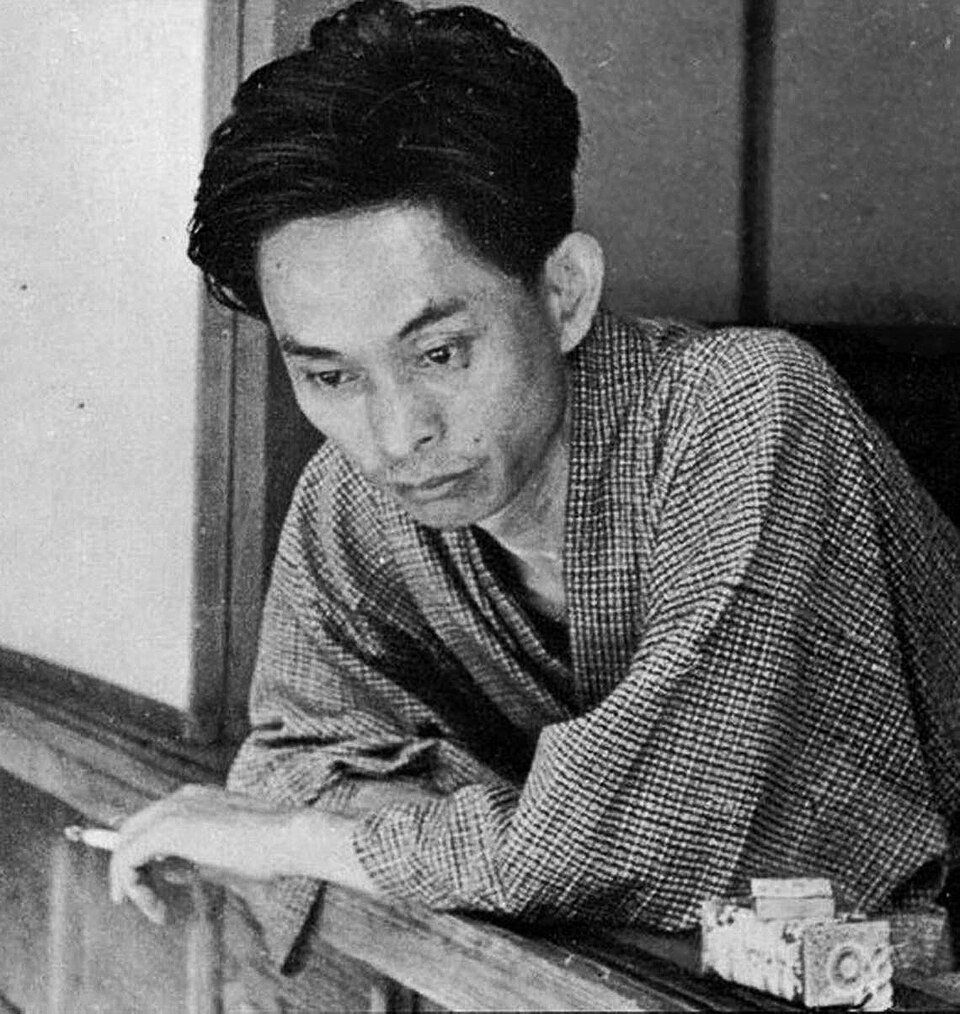
The life behind the name
A life, in context
Yasunari Kawabata was born in Osaka and lost close family members during childhood, experiences that formed part of the emotional background of his writing. He studied at Tokyo Imperial University and joined other young writers seeking new forms for Japanese literature. Magazine work, literary friendships, and experiments in short fiction helped develop a style attentive to sensation, interruption, and what remains unspoken between people. He also became active in literary institutions and international exchange.
Works including Snow Country, Thousand Cranes, The Sound of the Mountain, and The Old Capital explore desire, ageing, memory, and beauty within relationships that rarely resolve neatly. Landscapes, objects, and gestures often carry feelings the characters cannot directly explain. In 1968 Kawabata became the first Japanese recipient of the Nobel Prize in Literature. His international recognition brought wider attention to writing that was distinctive without being a complete representation of Japanese life. He died in 1972. His work invites readers to slow down and notice an atmosphere or detail, while recognizing that beauty can coexist with emotional distance and unresolved sorrow.
What they helped make possible
The legacy that continues
Kawabata developed a distinctive fiction of suggestion, compressed images, and sensitive attention to changing feeling. His Nobel Prize helped extend international readership for Japanese literature. His books remain useful companions for thinking about the relationship between beauty, memory, and the limits of understanding another person.
Moments along the way
A life in chapters
- 1924
A new literary magazine
He helped establish Bungei Jidai with other experimental writers.
- 1937
Snow Country in book form
An early book version appeared; Kawabata continued revising the work.
- 1968
Nobel Prize in Literature
He became the first Japanese writer to receive the prize.
Remembered together
A place to remember together.
Leave a gesture, share a thought, and keep this life close.
Following is saved to your account across devices. “Save for later” keeps a separate bookmark in this browser.
Checking your account…
A quiet moment to remember.
Customs and beliefs differ. Choose a gesture that feels right to you; each is optional.
Shared moments of remembrance
Thoughts on this life
Comments are reviewed before appearing publicly. Share a thoughtful reflection on this person’s life or work.
Suggest a profile correction
Help keep this public record accurate. Suggestions are reviewed before the profile is changed, and a source link is especially helpful for factual details.
Loading shared remembrance…
A personal practice
Carry something forward.
A legacy can begin with one small choice. Write for yourself; these words are never added to the public memorial.
Private to this browser. Turning saving off removes the saved copy. Download a copy to take it with you.
Not saved on this device.
Share this public story
A name, a story and a light to carry forward. This link opens the reviewed public page.
Create a memory book
Choose the stories to keep, arrange their chapters, and make a printable copy. Book edits apply to your exported copy.
Every life is a light. A story to keep.
7 selected chapters
Edit this chapter
Edit this chapter
Edit this chapter
Edit this chapter
Edit this chapter
Edit this chapter
Edit this chapter
Read further
Sources & further reading
Explore the published references behind this profile. These links open in a new tab.
- Nobel Prize — Yasunari Kawabata facts (opens in a new tab)www.nobelprize.org
- Wikipedia — Yasunari Kawabata, biography and references (opens in a new tab)en.wikipedia.org
- Portrait: Unknown authorUnknown author · Public domain (opens in a new tab)commons.wikimedia.org
A place for your own remembrance
Is there someone you are remembering?
You can begin with a name and one memory. A private memorial space can hold photographs, stories and the dates your family returns to.
Private by default. You decide what to share.