Literature · French
Victor Hugo
Also known as 维克多·雨果
1802 — 1885
Novelist, poet, and dramatist
A writer whose novels and public voice brought attention to exclusion, punishment, and the dignity of people denied an easy place in society.
Saved lives stay only on this device.
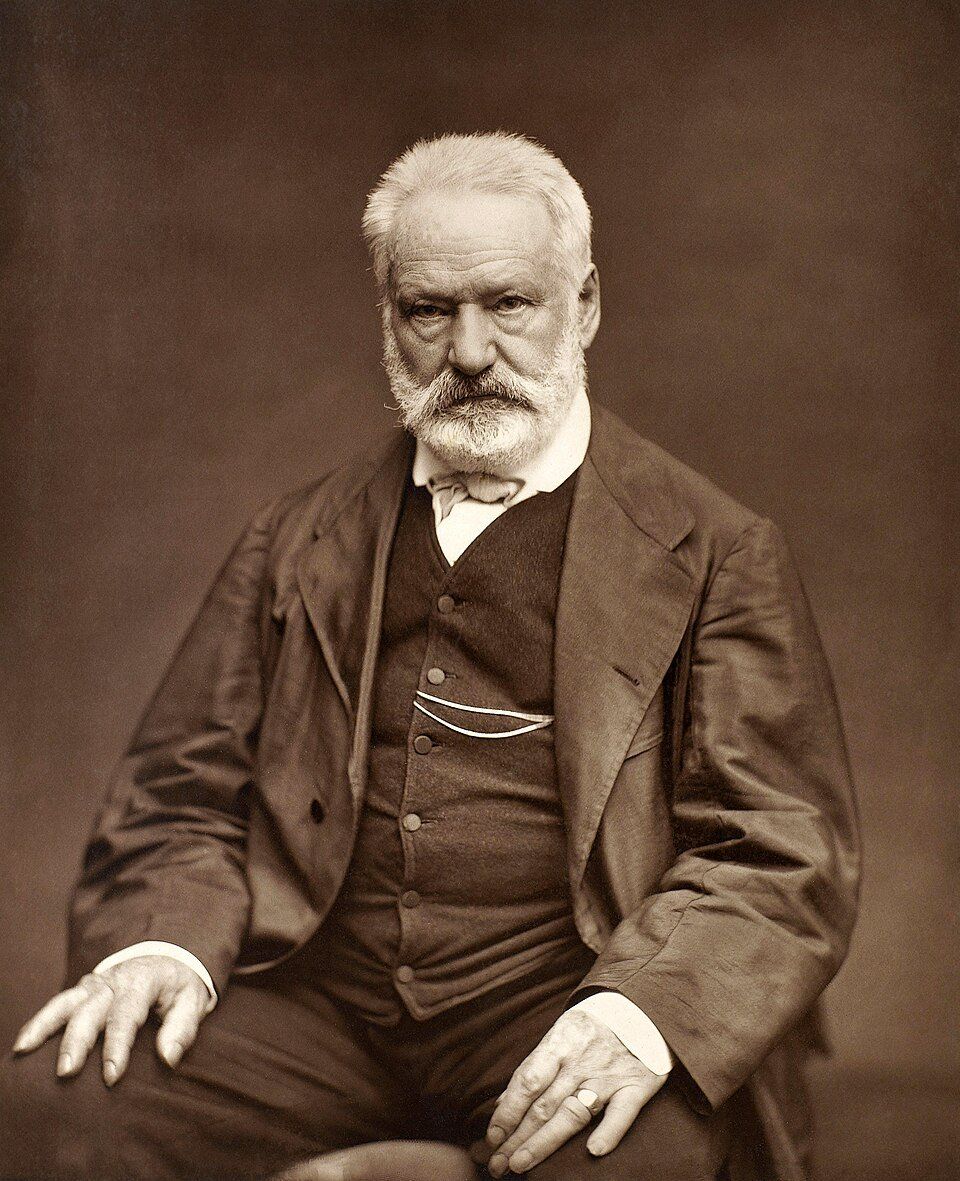
The life behind the name
A life, in context
Victor Hugo was born in Besançon and grew up during a period of upheaval in French public life. He began publishing poetry while young and became a prominent figure in the Romantic movement through poems, plays, and fiction. His political views changed over time, and he eventually became an outspoken republican and opponent of the death penalty. After Louis-Napoléon Bonaparte's coup in 1851, Hugo went into exile, spending much of that period on the Channel Islands.
Notre-Dame de Paris brought medieval Paris and its cathedral into a novel concerned with belonging and judgment. Les Misérables, published in 1862, followed lives shaped by poverty, law, mercy, and collective struggle. Hugo's wide-ranging career also included political speeches, essays, and drawing. Personal grief, including the death of his daughter Léopoldine, deepened the emotional register of his poetry. He returned to France after the fall of the Second Empire and died in 1885. The crowds at his funeral reflected his public importance, while his enduring stories continue to ask how a society treats those it is tempted to dismiss.
What they helped make possible
The legacy that continues
Hugo joined literary imagination with public arguments about justice and human dignity. His novels helped readers see social conditions through particular lives, and his poetry gave personal grief a lasting artistic form. His work also contributed to renewed interest in France’s architectural heritage, especially Notre-Dame cathedral.
Moments along the way
A life in chapters
- 1831
Notre-Dame de Paris
The novel linked a historic setting with questions of exclusion and compassion.
- 1851
The beginning of exile
His opposition to the coup led to a long period outside France.
- 1862
Les Misérables
The novel brought poverty, justice, and mercy into a large social narrative.
Remembered together
A place to remember together.
Leave a gesture, share a thought, and keep this life close.
Following is saved to your account across devices. “Save for later” keeps a separate bookmark in this browser.
Checking your account…
A quiet moment to remember.
Customs and beliefs differ. Choose a gesture that feels right to you; each is optional.
Shared moments of remembrance
Thoughts on this life
Comments are reviewed before appearing publicly. Share a thoughtful reflection on this person’s life or work.
Suggest a profile correction
Help keep this public record accurate. Suggestions are reviewed before the profile is changed, and a source link is especially helpful for factual details.
Loading shared remembrance…
A personal practice
Carry something forward.
A legacy can begin with one small choice. Write for yourself; these words are never added to the public memorial.
Private to this browser. Turning saving off removes the saved copy. Download a copy to take it with you.
Not saved on this device.
Share this public story
A name, a story and a light to carry forward. This link opens the reviewed public page.
Create a memory book
Choose the stories to keep, arrange their chapters, and make a printable copy. Book edits apply to your exported copy.
Every life is a light. A story to keep.
7 selected chapters
Edit this chapter
Edit this chapter
Edit this chapter
Edit this chapter
Edit this chapter
Edit this chapter
Edit this chapter
Read further
Sources & further reading
Explore the published references behind this profile. These links open in a new tab.
- Larousse — Victor Hugo (opens in a new tab)www.larousse.fr
- Wikipedia — Victor Hugo, biography and references (opens in a new tab)en.wikipedia.org
- Portrait: Étienne Carjat · Public domain (opens in a new tab)commons.wikimedia.org
A place for your own remembrance
Is there someone you are remembering?
You can begin with a name and one memory. A private memorial space can hold photographs, stories and the dates your family returns to.
Private by default. You decide what to share.