Literature · Indian
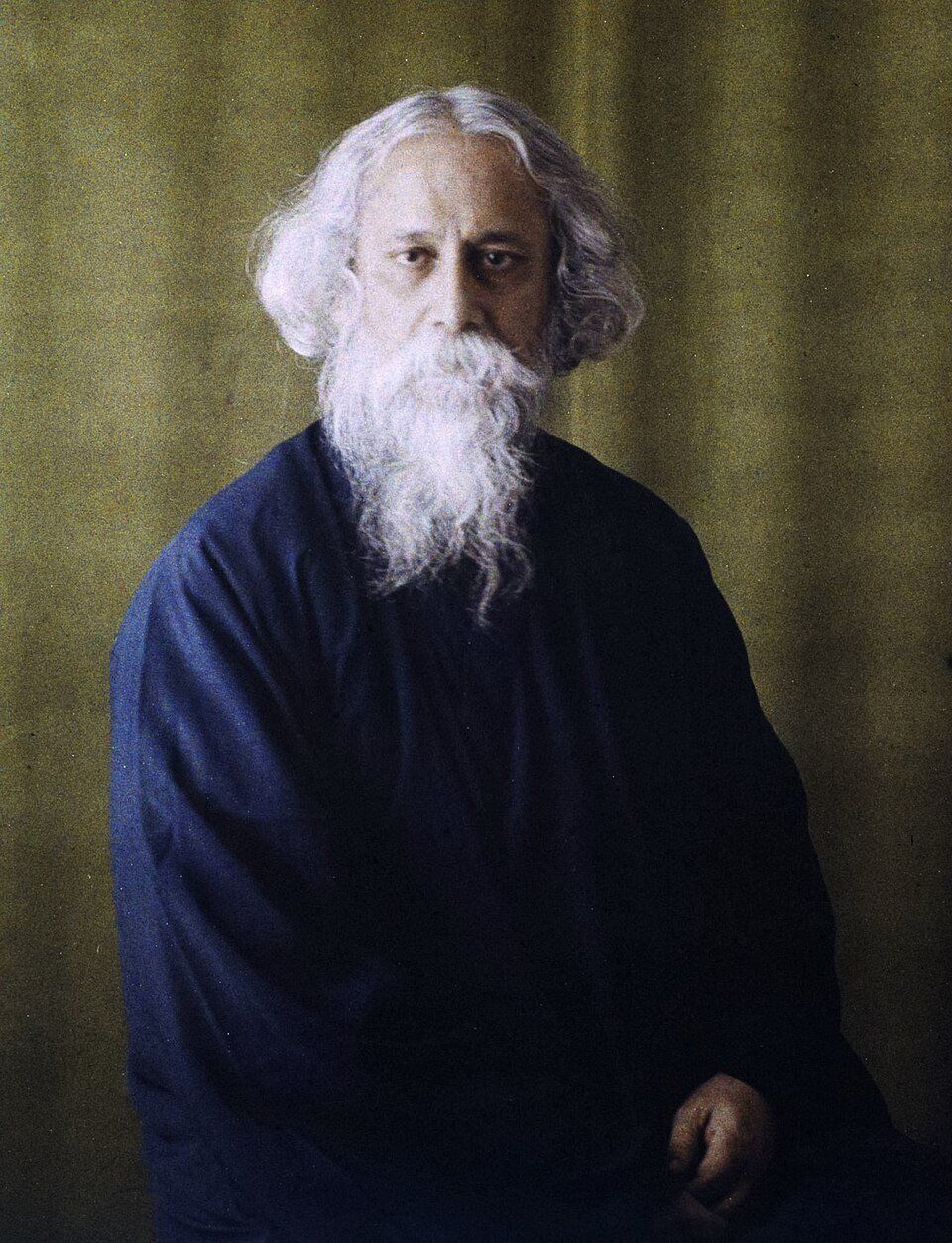
Rabindranath Tagore
Also known as 罗宾德拉纳特·泰戈尔
1861 — 1941
Poet, writer, composer, artist, and educator
A Bengali writer and educator whose poetry, songs, and creative work reached audiences across languages and borders.
Saved lives stay only on this device.
The life behind the name
A life, in context
Rabindranath Tagore grew up in a culturally active family in Calcutta, now Kolkata. Writing from an early age, he developed a body of work that included poetry, fiction, drama, essays, and songs. His literary imagination was rooted in Bengali language and life while remaining open to conversations across cultures.
Tagore established a school at Santiniketan that emphasized learning in close contact with nature and encouraged creative exploration. It later became part of Visva-Bharati. His English versions of poems in Gitanjali helped introduce his work to an international audience, and he received the Nobel Prize in Literature in 1913. The prize recognized a writer whose Bengali achievement was much larger than the small selection then available in English.
He traveled widely, debated education and nationalism, and used writing and public action to question injustice. In 1919, he renounced his British knighthood after the massacre at Jallianwala Bagh. In later life, he also developed a substantial practice as a painter. Tagore died in 1941. His legacy holds together literature, music, education, and an insistence that cultures can learn from one another without losing their particular voices.
What they helped make possible
The legacy that continues
Tagore helped reshape modern Bengali literature and wrote songs that remain central to cultural life. His educational experiments sought a richer relationship between learning, nature, and creativity. His international presence expanded the conversation about literature while preserving the importance of work written in languages other than English.
Moments along the way
A life in chapters
- 1901
A school at Santiniketan
Founded a school that brought nature and creative learning into education.
- 1913
Nobel Prize in Literature
Became the first Asian recipient of a Nobel Prize.
- 1919
Renouncing a knighthood
Returned his British honor in protest after the Jallianwala Bagh massacre.
- 1921
Visva-Bharati
Developed an institution dedicated to learning and cultural exchange.
Remembered together
A place to remember together.
Leave a gesture, share a thought, and keep this life close.
Following is saved to your account across devices. “Save for later” keeps a separate bookmark in this browser.
Checking your account…
A quiet moment to remember.
Customs and beliefs differ. Choose a gesture that feels right to you; each is optional.
Shared moments of remembrance
Thoughts on this life
Comments are reviewed before appearing publicly. Share a thoughtful reflection on this person’s life or work.
Suggest a profile correction
Help keep this public record accurate. Suggestions are reviewed before the profile is changed, and a source link is especially helpful for factual details.
Loading shared remembrance…
A personal practice
Carry something forward.
A legacy can begin with one small choice. Write for yourself; these words are never added to the public memorial.
Private to this browser. Turning saving off removes the saved copy. Download a copy to take it with you.
Not saved on this device.
Share this public story
A name, a story and a light to carry forward. This link opens the reviewed public page.
Create a memory book
Choose the stories to keep, arrange their chapters, and make a printable copy. Book edits apply to your exported copy.
Every life is a light. A story to keep.
8 selected chapters
Edit this chapter
Edit this chapter
Edit this chapter
Edit this chapter
Edit this chapter
Edit this chapter
Edit this chapter
Edit this chapter
Read further
Sources & further reading
Explore the published references behind this profile. These links open in a new tab.
- Nobel Prize — Rabindranath Tagore biography (opens in a new tab)www.nobelprize.org
- Nobel Prize — Rabindranath Tagore facts (opens in a new tab)www.nobelprize.org
- Portrait: Georges Chevalier · CC BY 4.0 (opens in a new tab)commons.wikimedia.org
- Portrait license: CC BY 4.0 (opens in a new tab)creativecommons.org
A place for your own remembrance
Is there someone you are remembering?
You can begin with a name and one memory. A private memorial space can hold photographs, stories and the dates your family returns to.
Private by default. You decide what to share.