Arts · Spanish
Pablo Picasso
Also known as Pablo Ruiz Picasso · 巴勃罗·毕加索
1881 — 1973
Painter, sculptor, printmaker, and ceramic artist
An artist whose restless experimentation with figures, materials, and viewpoints helped reshape the possibilities of twentieth-century art.
Saved lives stay only on this device.
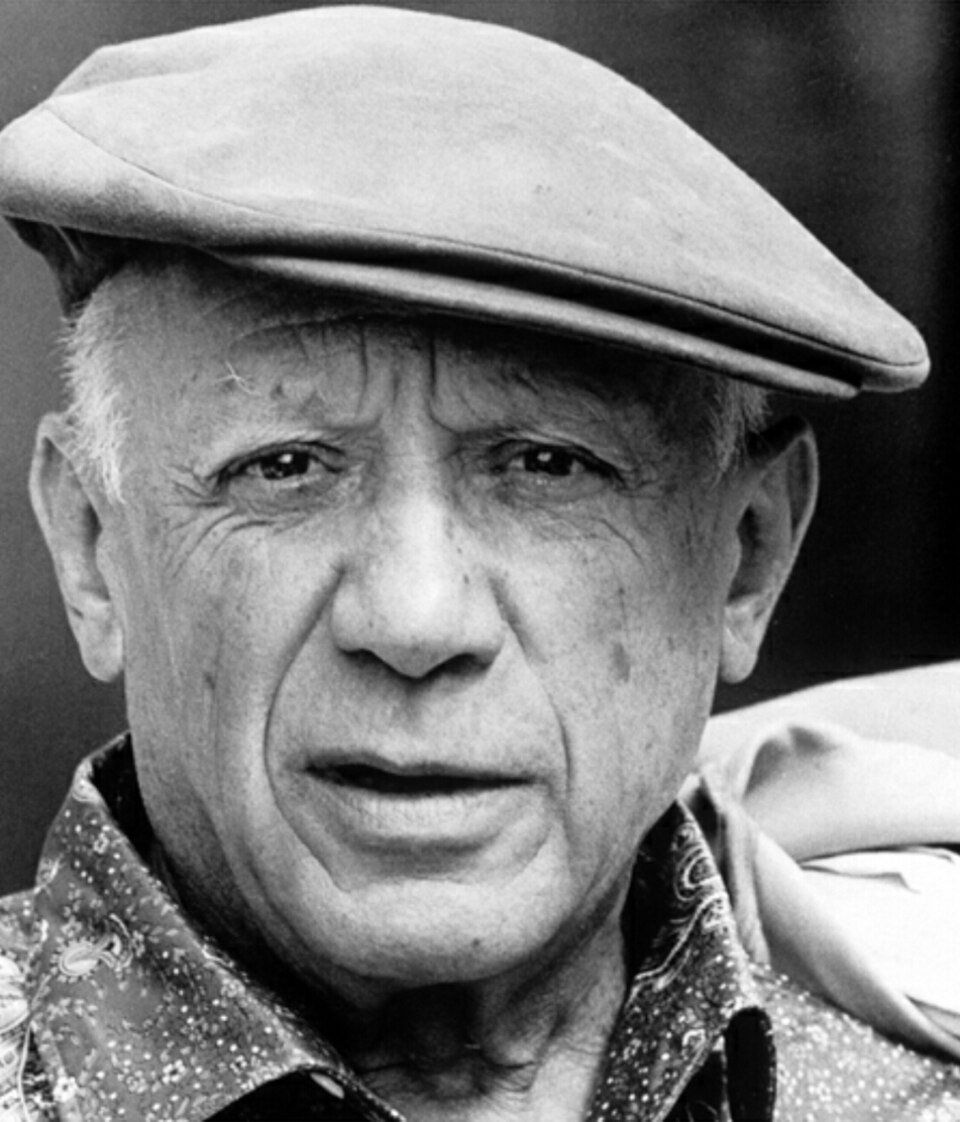
The life behind the name
A life, in context
Pablo Picasso was born in Málaga and received early artistic training from his father before studying in Barcelona and Madrid. He moved between Spain and Paris as a young artist, eventually making France his principal home. His early paintings changed markedly through the periods later called Blue and Rose. In collaboration and dialogue with Georges Braque, he developed Cubism, breaking forms into interrelated planes and challenging the idea that a picture must show a subject from one fixed viewpoint. Collage extended these experiments into ordinary printed papers and other materials.
Picasso worked across painting, sculpture, prints, ceramics, and designs for the stage throughout a long career. In 1937, he painted Guernica in response to the bombing of the Basque town during the Spanish Civil War. Its anguished figures made the painting an enduring image of civilian suffering. He continued exploring familiar subjects through new combinations rather than following one settled style. His influence spread through exhibitions, reproductions, and exchanges with other artists. He died in France in 1973. The breadth of his work rewards attention to particular objects and circumstances, rather than reducing a complex career to a single movement or masterpiece.
What they helped make possible
The legacy that continues
Picasso helped develop Cubism with Georges Braque and expanded the use of collage and constructed sculpture. His work moved between intimate subjects and public events, demonstrating how formal experimentation could also give visual force to experiences of conflict and loss.
Moments along the way
A life in chapters
- 1907
Les Demoiselles d’Avignon
Painted a work that became central to discussions of the emergence of Cubism.
- 1912
Collage experiments
Introduced everyday materials into Cubist compositions, alongside related work by Braque.
- 1937
Guernica
Created the large painting responding to the bombing of Guernica.
Remembered together
A place to remember together.
Leave a gesture, share a thought, and keep this life close.
Following is saved to your account across devices. “Save for later” keeps a separate bookmark in this browser.
Checking your account…
A quiet moment to remember.
Customs and beliefs differ. Choose a gesture that feels right to you; each is optional.
Shared moments of remembrance
Thoughts on this life
Comments are reviewed before appearing publicly. Share a thoughtful reflection on this person’s life or work.
Suggest a profile correction
Help keep this public record accurate. Suggestions are reviewed before the profile is changed, and a source link is especially helpful for factual details.
Loading shared remembrance…
A personal practice
Carry something forward.
A legacy can begin with one small choice. Write for yourself; these words are never added to the public memorial.
Private to this browser. Turning saving off removes the saved copy. Download a copy to take it with you.
Not saved on this device.
Share this public story
A name, a story and a light to carry forward. This link opens the reviewed public page.
Create a memory book
Choose the stories to keep, arrange their chapters, and make a printable copy. Book edits apply to your exported copy.
Every life is a light. A story to keep.
7 selected chapters
Edit this chapter
Edit this chapter
Edit this chapter
Edit this chapter
Edit this chapter
Edit this chapter
Edit this chapter
Read further
Sources & further reading
Explore the published references behind this profile. These links open in a new tab.
- Musée Picasso Paris — Cubism (opens in a new tab)www.museepicassoparis.fr
- Wikipedia — Pablo Picasso (opens in a new tab)en.wikipedia.org
- Portrait: Argentina. Revista Vea y Lea · Public domain (opens in a new tab)commons.wikimedia.org
A place for your own remembrance
Is there someone you are remembering?
You can begin with a name and one memory. A private memorial space can hold photographs, stories and the dates your family returns to.
Private by default. You decide what to share.