Arts · Italian
Michelangelo
Also known as Michelangelo Buonarroti · 米开朗基罗
1475 — 1564
Sculptor, painter, architect, and poet
A sculptor, painter, and architect whose understanding of the human figure shaped Renaissance art and generations of artists afterward.
Saved lives stay only on this device.
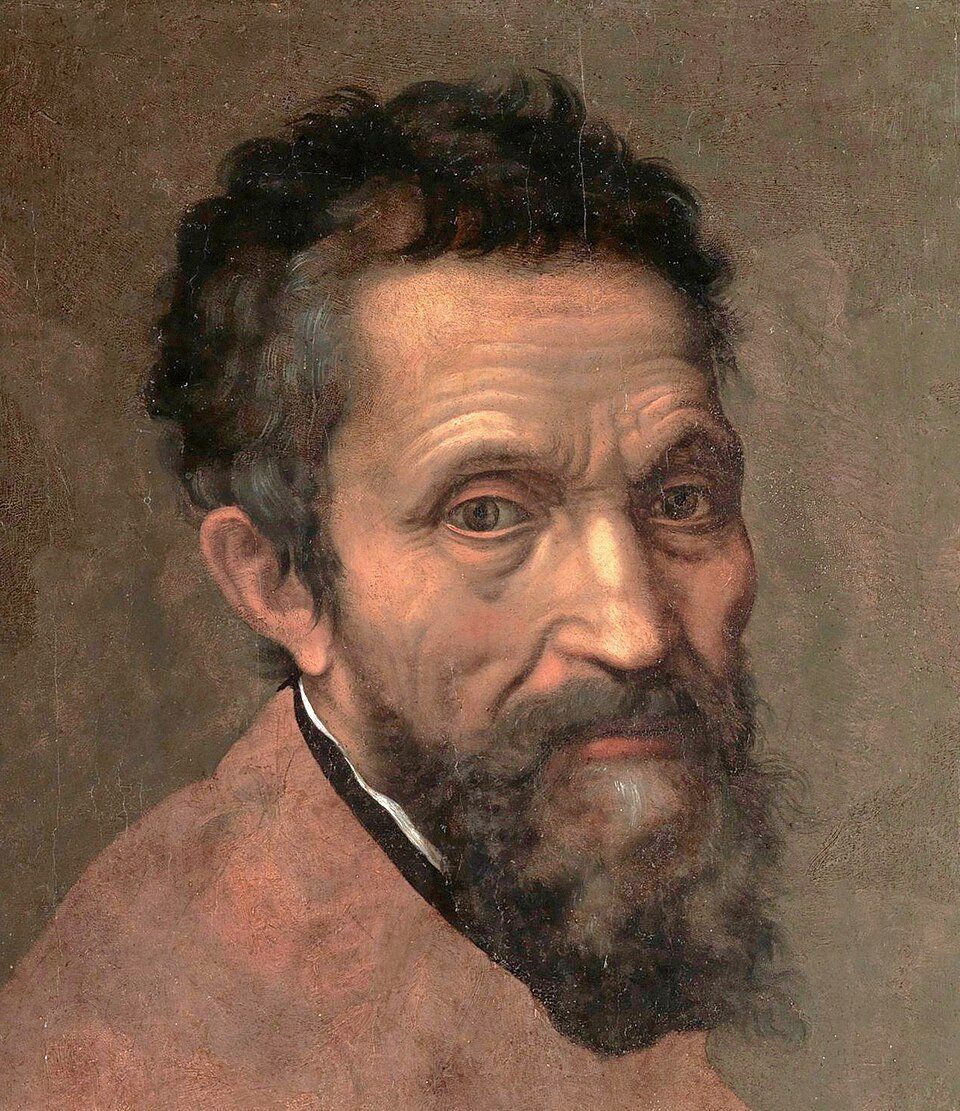
The life behind the name
A life, in context
Michelangelo Buonarroti was born in Caprese and grew up in Florence. He trained briefly in the workshop of Domenico Ghirlandaio before studying sculpture in the circle supported by Lorenzo de' Medici. Classical sculpture and the living human body became lasting points of reference. The Pietà, made in Rome, and the David, carved after his return to Florence, established his reputation while he was still a young man. Their scale, physical tension, and careful treatment of marble gave familiar subjects new force.
Much of Michelangelo's later career unfolded in Rome through demanding papal commissions. Between 1508 and 1512, he painted the Sistine Chapel ceiling, followed decades later by the Last Judgment on its altar wall. He also designed buildings and worked on St Peter's Basilica, taking responsibility for its architecture in 1546. Long projects, changing patrons, and political upheavals meant that many commissions developed through revisions or remained incomplete. He continued working into old age and died in Rome in 1564. His poems and correspondence, alongside unfinished sculptures and preparatory drawings, preserve the effort and uncertainty behind an exceptionally influential artistic life.
What they helped make possible
The legacy that continues
Michelangelo made the human body a powerful vehicle for religious, civic, and emotional meaning. His sculpture, monumental painting, and architectural designs helped transform Renaissance visual culture, and his unfinished work remains valuable evidence of artistic decisions in progress.
Moments along the way
A life in chapters
- 1504
David
Completed the marble figure, begun in 1501, that became a major civic symbol of Florence.
- 1512
The Sistine ceiling
Completed the Sistine Chapel ceiling, painted from 1508, with scenes and figures drawn from biblical history.
- 1546
St Peter’s Basilica
Took responsibility for the architectural development of the basilica in Rome.
Remembered together
A place to remember together.
Leave a gesture, share a thought, and keep this life close.
Following is saved to your account across devices. “Save for later” keeps a separate bookmark in this browser.
Checking your account…
A quiet moment to remember.
Customs and beliefs differ. Choose a gesture that feels right to you; each is optional.
Shared moments of remembrance
Thoughts on this life
Comments are reviewed before appearing publicly. Share a thoughtful reflection on this person’s life or work.
Suggest a profile correction
Help keep this public record accurate. Suggestions are reviewed before the profile is changed, and a source link is especially helpful for factual details.
Loading shared remembrance…
A personal practice
Carry something forward.
A legacy can begin with one small choice. Write for yourself; these words are never added to the public memorial.
Private to this browser. Turning saving off removes the saved copy. Download a copy to take it with you.
Not saved on this device.
Share this public story
A name, a story and a light to carry forward. This link opens the reviewed public page.
Create a memory book
Choose the stories to keep, arrange their chapters, and make a printable copy. Book edits apply to your exported copy.
Every life is a light. A story to keep.
7 selected chapters
Edit this chapter
Edit this chapter
Edit this chapter
Edit this chapter
Edit this chapter
Edit this chapter
Edit this chapter
Read further
Sources & further reading
Explore the published references behind this profile. These links open in a new tab.
- National Gallery — Michelangelo (opens in a new tab)www.nationalgallery.org.uk
- Wikipedia — Michelangelo (opens in a new tab)en.wikipedia.org
- Portrait: Attributed to Daniele da Volterra · Public domain (opens in a new tab)commons.wikimedia.org
A place for your own remembrance
Is there someone you are remembering?
You can begin with a name and one memory. A private memorial space can hold photographs, stories and the dates your family returns to.
Private by default. You decide what to share.