Care & public service · Indian
Mahatma Gandhi
Also known as Mohandas Karamchand Gandhi · मोहनदास करमचंद गांधी · 圣雄甘地
1869 — 1948
Lawyer and leader of nonviolent anti-colonial campaigns
A leader of India’s independence movement whose methods of nonviolent resistance influenced campaigns for freedom and civil rights in many countries.
Saved lives stay only on this device.
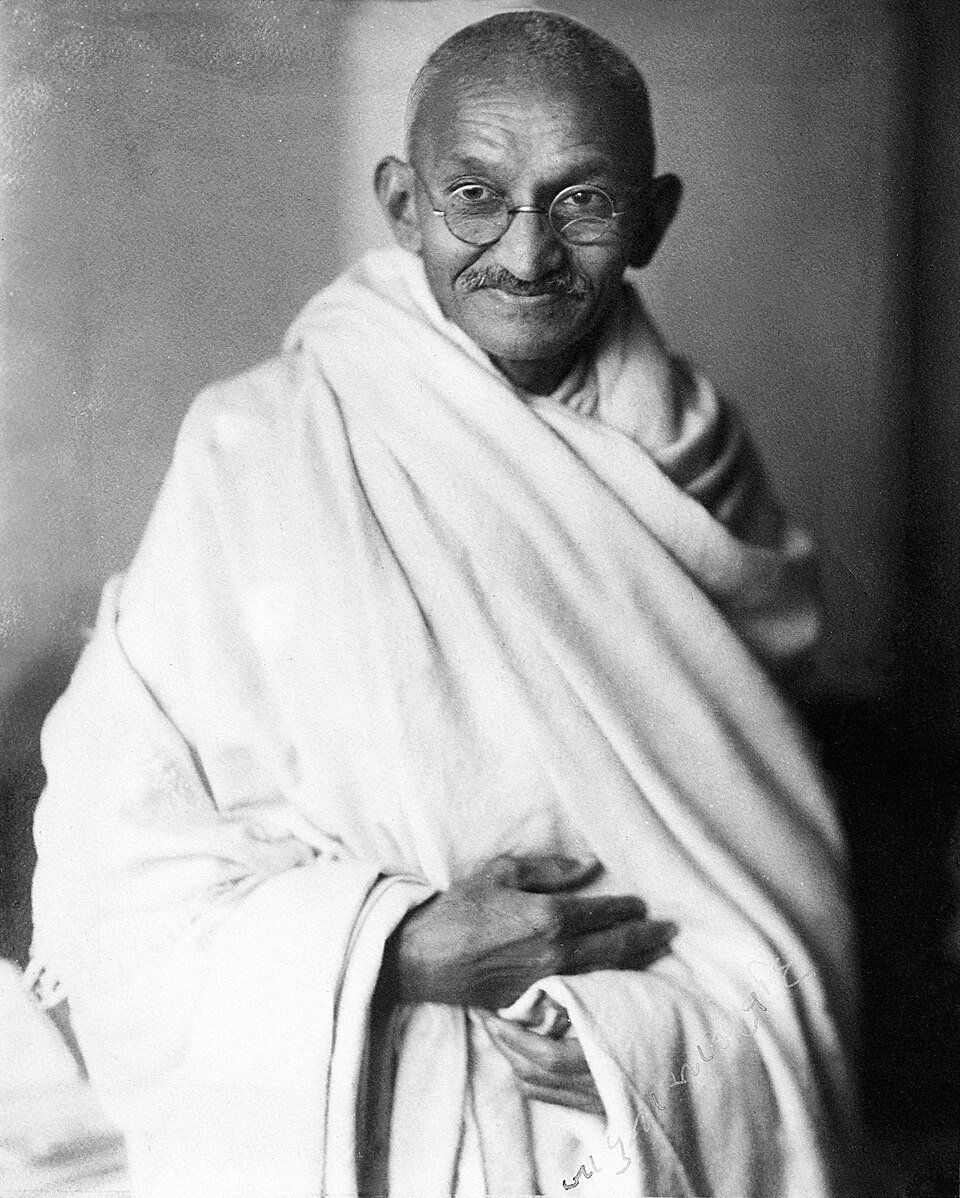
The life behind the name
A life, in context
Mohandas Karamchand Gandhi was born in Porbandar and trained in law in London. Professional work took him to South Africa, where experiences of discrimination led to organizing within the Indian community. Over years of campaigns, he developed methods he called satyagraha, joining refusal to cooperate with unjust authority to an insistence on disciplined nonviolence. He returned to India in 1915 and became a central figure in the movement against British colonial rule, while encouraging local organizing and changes in everyday practices.
Gandhi's campaigns included the non-cooperation movement and the Salt March of 1930, which challenged the colonial monopoly and tax on salt. His methods relied on many participants who accepted imprisonment and other costs of protest. Independence in 1947 came with partition and extensive communal violence, against which he continued to appeal and act. He was assassinated in Delhi in January 1948. His writings, political judgments, and personal practices have remained subjects of debate rather than forming a single uncontested example. His historical influence is clearest in the campaigns and later movements that adapted nonviolent resistance to their own circumstances, including struggles whose social and political aims differed from his.
What they helped make possible
The legacy that continues
Gandhi developed influential practices of mass nonviolent resistance and played a central role in India’s struggle against colonial rule. Later movements adapted these methods in different contexts, while historians continue to examine the limits, contradictions, and changing positions within his own life.
Moments along the way
A life in chapters
- 1915
Return to India
Returned from South Africa and developed his role in Indian public life.
- 1930
The Salt March
Led a march to Dandi challenging the colonial salt monopoly.
- 1947
Independence and partition
India became independent while Gandhi worked against accompanying communal violence.
Remembered together
A place to remember together.
Leave a gesture, share a thought, and keep this life close.
Following is saved to your account across devices. “Save for later” keeps a separate bookmark in this browser.
Checking your account…
A quiet moment to remember.
Customs and beliefs differ. Choose a gesture that feels right to you; each is optional.
Shared moments of remembrance
Thoughts on this life
Comments are reviewed before appearing publicly. Share a thoughtful reflection on this person’s life or work.
Suggest a profile correction
Help keep this public record accurate. Suggestions are reviewed before the profile is changed, and a source link is especially helpful for factual details.
Loading shared remembrance…
A personal practice
Carry something forward.
A legacy can begin with one small choice. Write for yourself; these words are never added to the public memorial.
Private to this browser. Turning saving off removes the saved copy. Download a copy to take it with you.
Not saved on this device.
Share this public story
A name, a story and a light to carry forward. This link opens the reviewed public page.
Create a memory book
Choose the stories to keep, arrange their chapters, and make a printable copy. Book edits apply to your exported copy.
Every life is a light. A story to keep.
7 selected chapters
Edit this chapter
Edit this chapter
Edit this chapter
Edit this chapter
Edit this chapter
Edit this chapter
Edit this chapter
Read further
Sources & further reading
Explore the published references behind this profile. These links open in a new tab.
- Gandhi Research Foundation and Bombay Sarvodaya Mandal — Gandhi’s childhood (opens in a new tab)www.mkgandhi.org
- Wikipedia — Mahatma Gandhi (opens in a new tab)en.wikipedia.org
- Portrait: Elliott & Fry · Public domain (opens in a new tab)commons.wikimedia.org
A place for your own remembrance
Is there someone you are remembering?
You can begin with a name and one memory. A private memorial space can hold photographs, stories and the dates your family returns to.
Private by default. You decide what to share.