Science · American
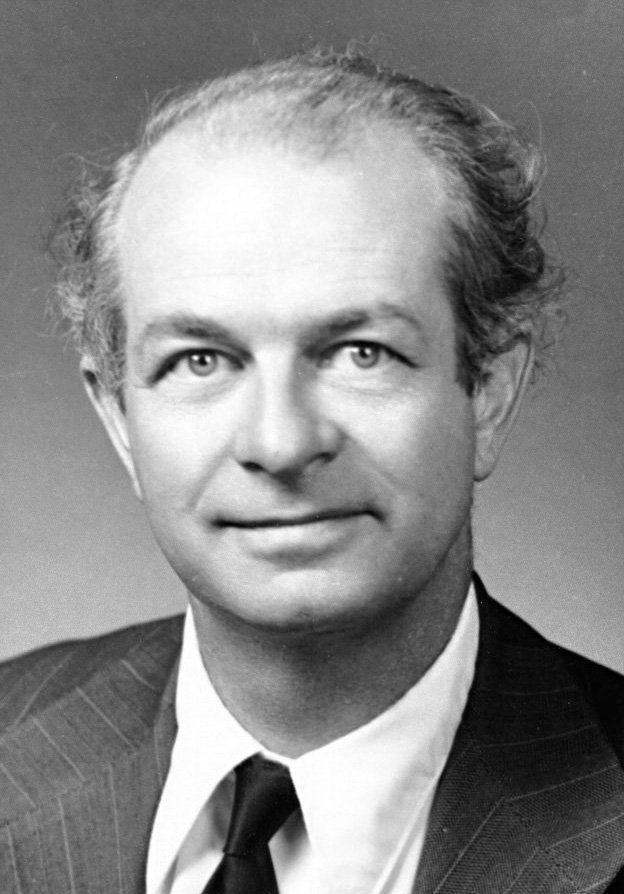
Linus Pauling
Also known as 莱纳斯·鲍林
1901 — 1994
Chemist and peace campaigner
A chemist who transformed understanding of chemical bonds and later campaigned against nuclear weapons testing.
Saved lives stay only on this device.
The life behind the name
A life, in context
Linus Pauling was born in Portland and studied chemical engineering before undertaking research at the California Institute of Technology. He combined structural measurements with the emerging ideas of quantum mechanics to explain how atoms formed chemical bonds. His work helped connect geometry, electron behavior and the properties of materials. The Nature of the Chemical Bond, published in 1939, brought these ideas together in a book that became influential across chemistry.
Pauling extended structural investigation into biology, contributing to the understanding of protein structures and identifying sickle-cell anemia as a molecular disease with collaborators. He received the 1954 Nobel Prize in Chemistry. With his wife Ava Helen Pauling and other campaigners, he also worked against nuclear weapons testing and circulated an appeal supported by scientists from many countries. The 1962 Nobel Peace Prize recognized this public activity. His long career included pioneering results, ambitious proposals and controversies. Remembering him through both research and advocacy shows how a scientist's work can cross from laboratory questions into public decisions about health, security and the consequences of technology.
What they helped make possible
The legacy that continues
Pauling used quantum and structural methods to explain chemical bonding and advanced molecular approaches to biology. His anti-testing campaign was recognized by a separate Nobel Peace Prize.
Moments along the way
A life in chapters
- 1939
The Nature of the Chemical Bond
Published his influential synthesis of chemical bonding.
- 1954
Nobel Prize in Chemistry
Recognized for research on chemical bonds and complex substances.
- 1962
Nobel Peace Prize
The prize for 1962 recognized his campaign against nuclear weapons testing.
Remembered together
A place to remember together.
Leave a gesture, share a thought, and keep this life close.
Following is saved to your account across devices. “Save for later” keeps a separate bookmark in this browser.
Checking your account…
A quiet moment to remember.
Customs and beliefs differ. Choose a gesture that feels right to you; each is optional.
Shared moments of remembrance
Thoughts on this life
Comments are reviewed before appearing publicly. Share a thoughtful reflection on this person’s life or work.
Suggest a profile correction
Help keep this public record accurate. Suggestions are reviewed before the profile is changed, and a source link is especially helpful for factual details.
Loading shared remembrance…
A personal practice
Carry something forward.
A legacy can begin with one small choice. Write for yourself; these words are never added to the public memorial.
Private to this browser. Turning saving off removes the saved copy. Download a copy to take it with you.
Not saved on this device.
Share this public story
A name, a story and a light to carry forward. This link opens the reviewed public page.
Create a memory book
Choose the stories to keep, arrange their chapters, and make a printable copy. Book edits apply to your exported copy.
Every life is a light. A story to keep.
7 selected chapters
Edit this chapter
Edit this chapter
Edit this chapter
Edit this chapter
Edit this chapter
Edit this chapter
Edit this chapter
Read further
Sources & further reading
Explore the published references behind this profile. These links open in a new tab.
- Nobel Prize — Linus Pauling chemistry facts (opens in a new tab)www.nobelprize.org
- Wikipedia — Linus Pauling (opens in a new tab)en.wikipedia.org
- Portrait: Unknown authorUnknown author · CC BY-SA 2.0 (opens in a new tab)commons.wikimedia.org
- Portrait license: CC BY-SA 2.0 (opens in a new tab)creativecommons.org
A place for your own remembrance
Is there someone you are remembering?
You can begin with a name and one memory. A private memorial space can hold photographs, stories and the dates your family returns to.
Private by default. You decide what to share.