Literature · Chinese
Lao She
Also known as Shu Qingchun · 舒庆春 · 老舍
1899 — 1966
Novelist and dramatist
A writer whose affection for Beijing speech and everyday lives gave lasting literary presence to people living through upheaval.
Saved lives stay only on this device.
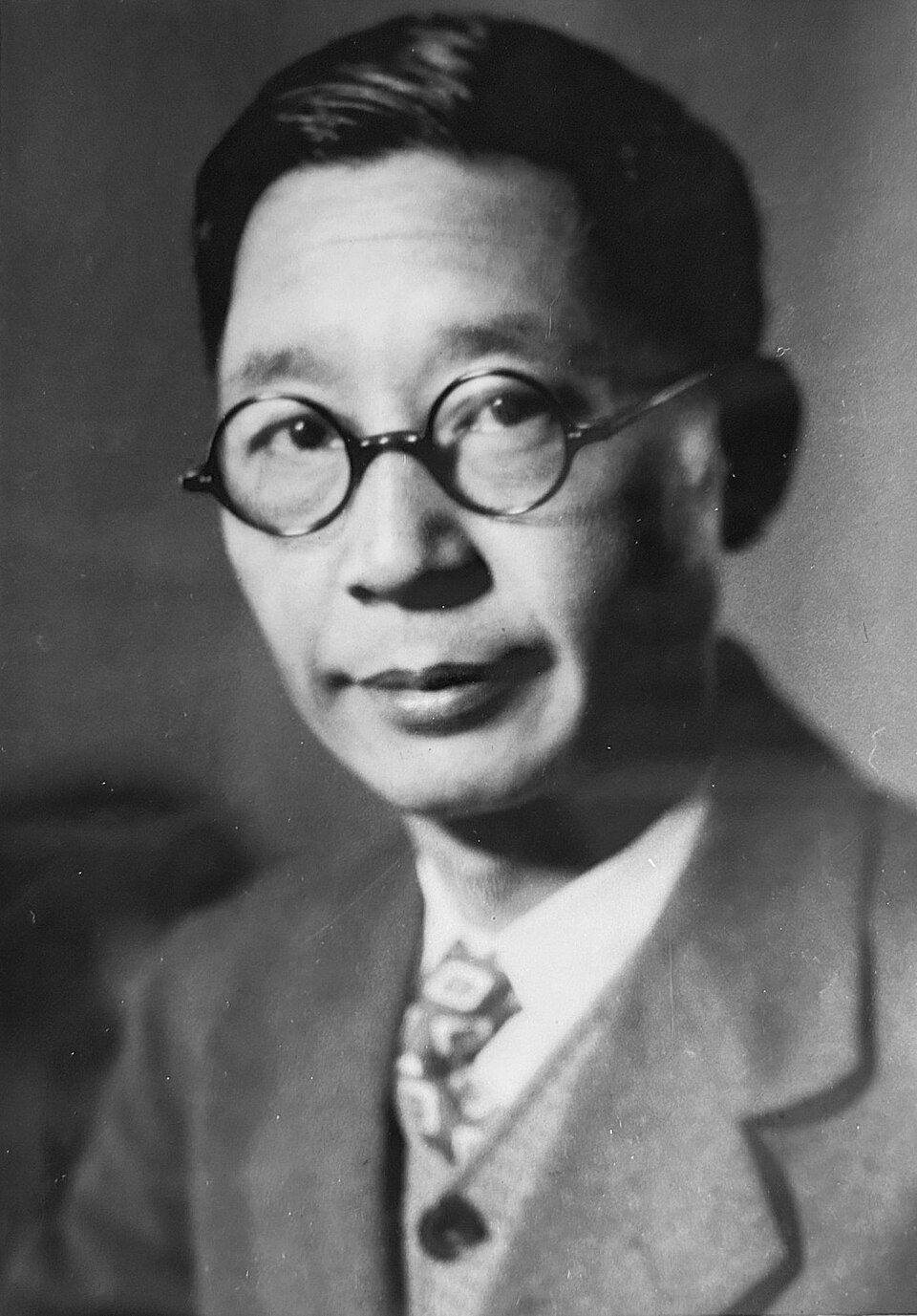
The life behind the name
A life, in context
Lao She was the pen name of Shu Qingchun, born into a Manchu family in Beijing. His childhood included poverty and the loss of his father during the Boxer uprising. He trained as a teacher and later taught Chinese in London, where contact with English literature and expatriate life encouraged his development as a novelist. On returning to China, he worked in education and writing, drawing on an attentive knowledge of city speech and ordinary social encounters.
Rickshaw Boy followed a worker's hopes for independence through repeated hardship. Other novels and plays combined humour with a serious understanding of insecurity and historical change. Teahouse brought several decades of Chinese public life into the conversations of a familiar gathering place, allowing different generations and social positions to meet onstage. Lao She experienced violence and humiliation during the Cultural Revolution and died in 1966. His work deserves remembrance for its language, dramatic craft, and regard for everyday people, while the circumstances of his death also call for honest acknowledgment of persecution.
What they helped make possible
The legacy that continues
Lao She helped give modern Chinese fiction and theatre a distinctive urban voice. His dialogue preserved the vitality of Beijing speech while making large historical changes tangible through ordinary lives. His characters encourage readers and audiences to see the insecurity beneath humour and the dignity of people whose ambitions remain modest.
Moments along the way
A life in chapters
- 1924
Teaching in London
He began teaching Chinese at the School of Oriental Studies.
- 1937
Rickshaw Boy
The novel portrayed a Beijing worker’s pursuit of an independent livelihood.
- 1958
Teahouse onstage
The play premiered with the Beijing People’s Art Theatre.
Remembered together
A place to remember together.
Leave a gesture, share a thought, and keep this life close.
Following is saved to your account across devices. “Save for later” keeps a separate bookmark in this browser.
Checking your account…
A quiet moment to remember.
Customs and beliefs differ. Choose a gesture that feels right to you; each is optional.
Shared moments of remembrance
Thoughts on this life
Comments are reviewed before appearing publicly. Share a thoughtful reflection on this person’s life or work.
Suggest a profile correction
Help keep this public record accurate. Suggestions are reviewed before the profile is changed, and a source link is especially helpful for factual details.
Loading shared remembrance…
A personal practice
Carry something forward.
A legacy can begin with one small choice. Write for yourself; these words are never added to the public memorial.
Private to this browser. Turning saving off removes the saved copy. Download a copy to take it with you.
Not saved on this device.
Share this public story
A name, a story and a light to carry forward. This link opens the reviewed public page.
Create a memory book
Choose the stories to keep, arrange their chapters, and make a printable copy. Book edits apply to your exported copy.
Every life is a light. A story to keep.
7 selected chapters
Edit this chapter
Edit this chapter
Edit this chapter
Edit this chapter
Edit this chapter
Edit this chapter
Edit this chapter
Read further
Sources & further reading
Explore the published references behind this profile. These links open in a new tab.
A place for your own remembrance
Is there someone you are remembering?
You can begin with a name and one memory. A private memorial space can hold photographs, stories and the dates your family returns to.
Private by default. You decide what to share.