Arts · French
Henri Matisse
Also known as Henri Émile Benoît Matisse · 亨利·马蒂斯
1869 — 1954
Painter, draughtsman, sculptor, and printmaker
An artist who used colour, line, and carefully arranged forms to build expressive spaces, from paintings to monumental paper cut-outs.
Saved lives stay only on this device.
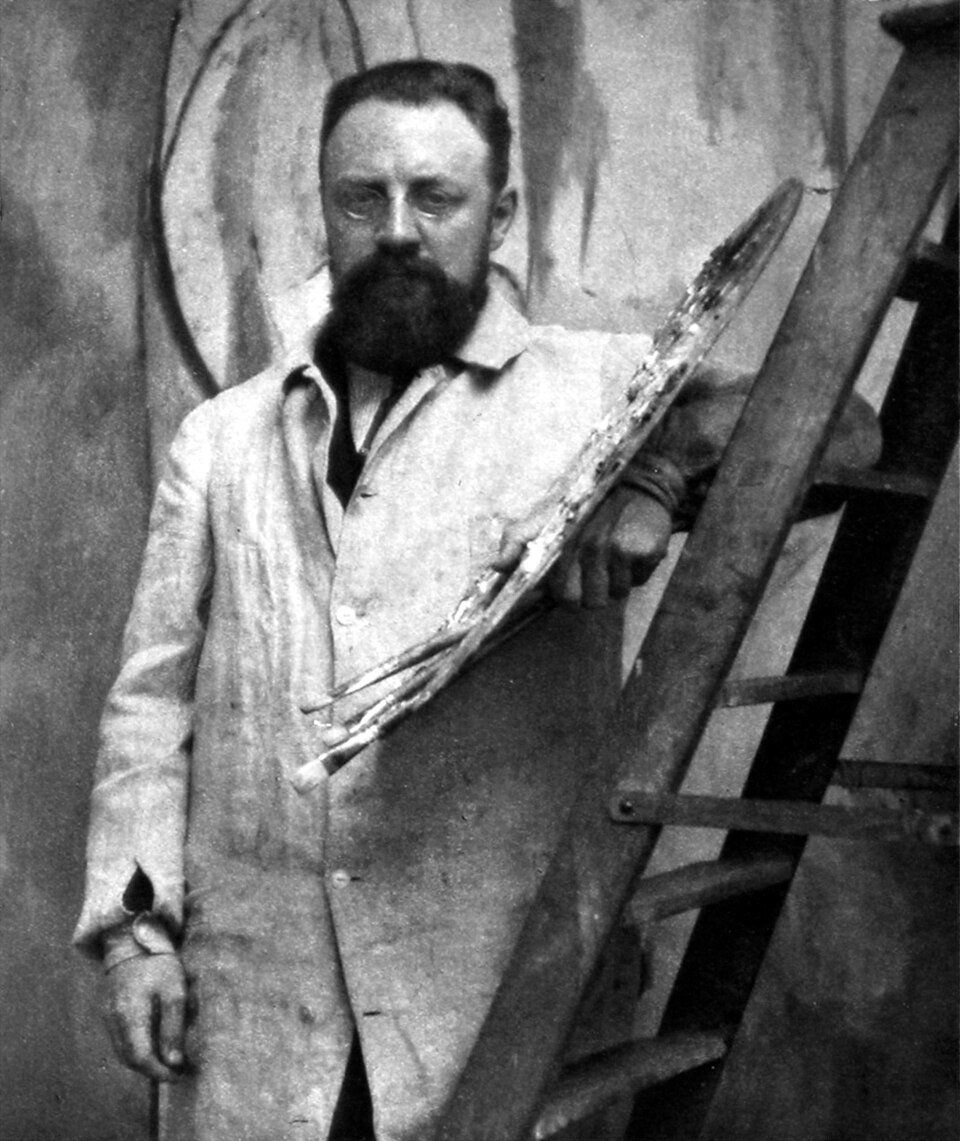
The life behind the name
A life, in context
Henri Matisse was born in northern France and initially trained for a legal career. He began painting while recovering from an illness, then studied art in Paris. His work developed through observation, encounters with earlier painting, and exchanges with contemporary artists. At the 1905 Salon d'Automne, the vivid colours used by Matisse and several colleagues prompted the name Fauves. He continued to investigate how colour and simplified forms could organize a picture without depending on conventional imitation of natural appearances.
Matisse worked in sculpture, drawing, prints, and decorative projects as well as painting. Travel and the environments of his studios supplied recurring subjects, including textiles, plants, windows, and figures at rest. After major surgery in 1941, he increasingly used painted paper cut-outs, arranging and revising shapes with the help of studio assistants. These became ambitious works in their own right, including designs for the Chapel of the Rosary at Vence. He died in Nice in 1954. His late practice shows an artist adapting materials and working methods while continuing questions about rhythm, space, and the relationships between colours that had occupied him for decades.
What they helped make possible
The legacy that continues
Matisse made colour and simplified form central to modern art. His cut-outs and architectural decoration expanded the scale and settings of his visual language, while their development demonstrates how changed circumstances can lead to new working methods.
Moments along the way
A life in chapters
- 1905
The Fauves exhibition
Exhibited intensely coloured paintings at the Salon d’Automne.
- 1947
Jazz
Published the illustrated book developed from his paper cut-out designs.
- 1951
The chapel at Vence
The Chapel of the Rosary opened with his designs for windows, decoration, and furnishings.
Remembered together
A place to remember together.
Leave a gesture, share a thought, and keep this life close.
Following is saved to your account across devices. “Save for later” keeps a separate bookmark in this browser.
Checking your account…
A quiet moment to remember.
Customs and beliefs differ. Choose a gesture that feels right to you; each is optional.
Shared moments of remembrance
Thoughts on this life
Comments are reviewed before appearing publicly. Share a thoughtful reflection on this person’s life or work.
Suggest a profile correction
Help keep this public record accurate. Suggestions are reviewed before the profile is changed, and a source link is especially helpful for factual details.
Loading shared remembrance…
A personal practice
Carry something forward.
A legacy can begin with one small choice. Write for yourself; these words are never added to the public memorial.
Private to this browser. Turning saving off removes the saved copy. Download a copy to take it with you.
Not saved on this device.
Share this public story
A name, a story and a light to carry forward. This link opens the reviewed public page.
Create a memory book
Choose the stories to keep, arrange their chapters, and make a printable copy. Book edits apply to your exported copy.
Every life is a light. A story to keep.
7 selected chapters
Edit this chapter
Edit this chapter
Edit this chapter
Edit this chapter
Edit this chapter
Edit this chapter
Edit this chapter
Read further
Sources & further reading
Explore the published references behind this profile. These links open in a new tab.
- Tate — Henri Matisse (opens in a new tab)www.tate.org.uk
- Wikipedia — Henri Matisse (opens in a new tab)en.wikipedia.org
- Portrait: Alvin Langdon Coburn · Public domain (opens in a new tab)commons.wikimedia.org
A place for your own remembrance
Is there someone you are remembering?
You can begin with a name and one memory. A private memorial space can hold photographs, stories and the dates your family returns to.
Private by default. You decide what to share.