Literature · Russian
Fyodor Dostoevsky
Also known as Фёдор Михайлович Достоевский · 费奥多尔·陀思妥耶夫斯基
1821 — 1881
Novelist and essayist
A novelist whose intensely conflicted characters explore responsibility, suffering, freedom, and the possibility of compassion.
Saved lives stay only on this device.
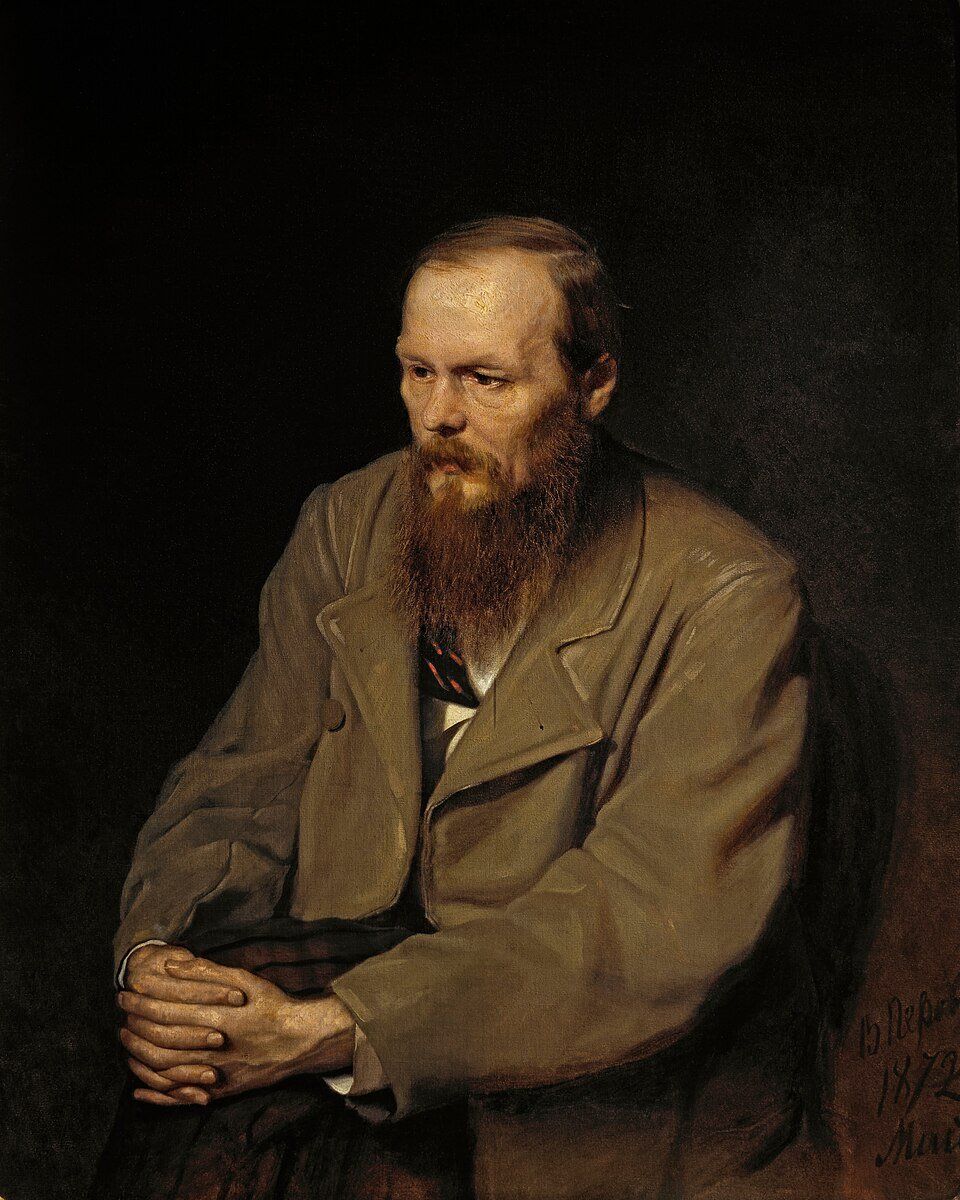
The life behind the name
A life, in context
Fyodor Dostoevsky was born in Moscow and trained for military engineering before turning toward literature. His first novel, Poor Folk, attracted attention in 1846. In 1849 he was arrested for involvement with the Petrashevsky discussion circle, subjected to a staged execution, and sent to imprisonment and military service in Siberia. These experiences altered his life and later informed writing concerned with punishment, belief, and the precarious dignity of people living at society's margins.
After returning to literary work, Dostoevsky wrote novels that give competing ideas a forceful human presence. Crime and Punishment follows the consequences of a young man's attempt to justify violence. The Idiot, Demons, and The Brothers Karamazov examine care, political fanaticism, family conflict, and moral choice from different directions. Financial pressure and gambling complicated his working life, while Anna Dostoevskaya played an important role in organizing the household and his publishing affairs. He died in 1881. His fiction remains demanding because it asks readers to encounter uncertainty and contradiction without assuming that one confident explanation can contain another person's inner life.
What they helped make possible
The legacy that continues
Dostoevsky expanded psychological fiction through characters whose arguments, fears, and acts of love remain in tension. His novels influenced literature, philosophy, and discussions of moral agency. They continue to give readers a difficult but valuable setting in which to consider responsibility without losing sight of vulnerability.
Moments along the way
A life in chapters
- 1846
Poor Folk
His first novel brought early literary recognition.
- 1866
Crime and Punishment
The novel examined guilt, justification, and responsibility.
- 1880
The Brothers Karamazov
His final completed novel explored family, faith, and moral freedom.
Remembered together
A place to remember together.
Leave a gesture, share a thought, and keep this life close.
Following is saved to your account across devices. “Save for later” keeps a separate bookmark in this browser.
Checking your account…
A quiet moment to remember.
Customs and beliefs differ. Choose a gesture that feels right to you; each is optional.
Shared moments of remembrance
Thoughts on this life
Comments are reviewed before appearing publicly. Share a thoughtful reflection on this person’s life or work.
Suggest a profile correction
Help keep this public record accurate. Suggestions are reviewed before the profile is changed, and a source link is especially helpful for factual details.
Loading shared remembrance…
A personal practice
Carry something forward.
A legacy can begin with one small choice. Write for yourself; these words are never added to the public memorial.
Private to this browser. Turning saving off removes the saved copy. Download a copy to take it with you.
Not saved on this device.
Share this public story
A name, a story and a light to carry forward. This link opens the reviewed public page.
Create a memory book
Choose the stories to keep, arrange their chapters, and make a printable copy. Book edits apply to your exported copy.
Every life is a light. A story to keep.
7 selected chapters
Edit this chapter
Edit this chapter
Edit this chapter
Edit this chapter
Edit this chapter
Edit this chapter
Edit this chapter
Read further
Sources & further reading
Explore the published references behind this profile. These links open in a new tab.
- Encyclopedia.com — Fyodor Dostoyevsky (opens in a new tab)www.encyclopedia.com
- Wikipedia — Fyodor Dostoevsky, biography and references (opens in a new tab)en.wikipedia.org
- Portrait: Vasily Perov · Public domain (opens in a new tab)commons.wikimedia.org
A place for your own remembrance
Is there someone you are remembering?
You can begin with a name and one memory. A private memorial space can hold photographs, stories and the dates your family returns to.
Private by default. You decide what to share.