Literature · German-speaking Bohemian
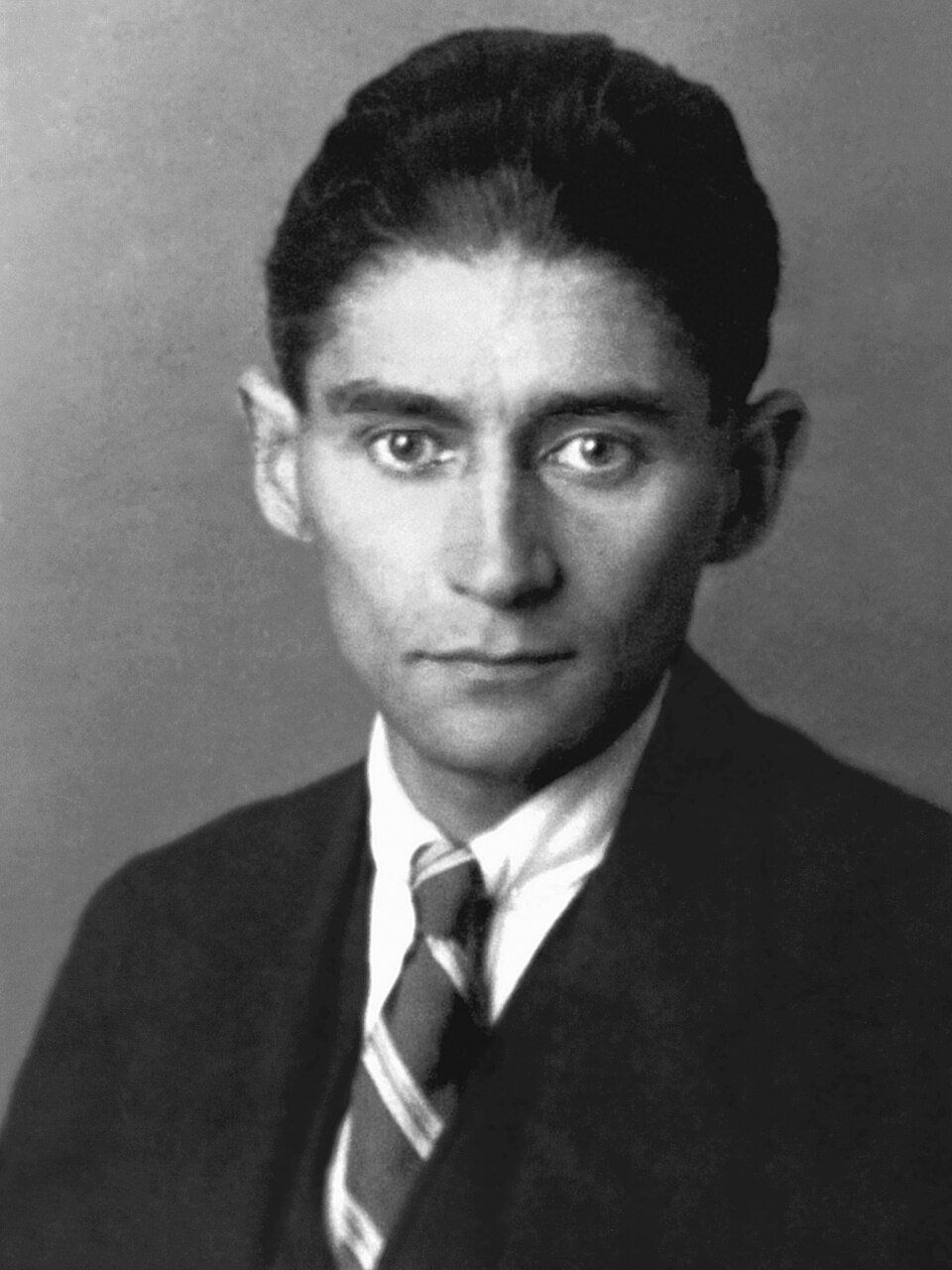
Franz Kafka
Also known as 弗兰茨·卡夫卡
1883 — 1924
Novelist and short-story writer
A writer whose unsettling stories make the pressures of work, family, and inaccessible authority difficult to overlook.
Saved lives stay only on this device.
The life behind the name
A life, in context
Franz Kafka was born into a German-speaking Jewish family in Prague, then part of Austria-Hungary. He studied law and worked in insurance, where his responsibilities included questions of workplace safety and industrial accidents. Writing occupied hours outside that employment and often brought him into conflict with his expectations of himself. His correspondence and diaries record friendships, relationships, illness, and the difficulty of finding space for sustained literary work.
Stories such as The Metamorphosis place an extraordinary event inside a recognizably ordinary world of obligation and anxiety. The unfinished novels The Trial and The Castle follow people seeking explanations from systems that resist being understood. Kafka published a limited portion of his work during his lifetime and died of tuberculosis in 1924. His friend Max Brod preserved and published manuscripts despite Kafka's request that they be destroyed. That decision shaped the literary legacy readers know today. His fiction continues to matter because it gives form to experiences of uncertainty and exclusion that can otherwise be hard to describe, while leaving their meanings open to debate.
What they helped make possible
The legacy that continues
Kafka developed a distinctive literary method in which precise, restrained narration makes impossible situations feel disturbingly familiar. His work has influenced fiction, theatre, film, and discussion of bureaucracy. Its ambiguity allows readers to explore how institutions and relationships can make a person feel unseen or unable to obtain an answer.
Moments along the way
A life in chapters
- 1915
The Metamorphosis
The novella was published after being written in 1912.
- 1925
The Trial published posthumously
Max Brod brought the unfinished novel into print.
- 1926
The Castle published posthumously
Another unfinished manuscript reached readers after Kafka’s death.
Remembered together
A place to remember together.
Leave a gesture, share a thought, and keep this life close.
Following is saved to your account across devices. “Save for later” keeps a separate bookmark in this browser.
Checking your account…
A quiet moment to remember.
Customs and beliefs differ. Choose a gesture that feels right to you; each is optional.
Shared moments of remembrance
Thoughts on this life
Comments are reviewed before appearing publicly. Share a thoughtful reflection on this person’s life or work.
Suggest a profile correction
Help keep this public record accurate. Suggestions are reviewed before the profile is changed, and a source link is especially helpful for factual details.
Loading shared remembrance…
A personal practice
Carry something forward.
A legacy can begin with one small choice. Write for yourself; these words are never added to the public memorial.
Private to this browser. Turning saving off removes the saved copy. Download a copy to take it with you.
Not saved on this device.
Share this public story
A name, a story and a light to carry forward. This link opens the reviewed public page.
Create a memory book
Choose the stories to keep, arrange their chapters, and make a printable copy. Book edits apply to your exported copy.
Every life is a light. A story to keep.
7 selected chapters
Edit this chapter
Edit this chapter
Edit this chapter
Edit this chapter
Edit this chapter
Edit this chapter
Edit this chapter
Read further
Sources & further reading
Explore the published references behind this profile. These links open in a new tab.
- Franz Kafka Museum — Biography (opens in a new tab)kafkamuseum.cz
- Wikipedia — Franz Kafka, biography and references (opens in a new tab)en.wikipedia.org
- Portrait: Unknown photographer · Public domain (opens in a new tab)commons.wikimedia.org
A place for your own remembrance
Is there someone you are remembering?
You can begin with a name and one memory. A private memorial space can hold photographs, stories and the dates your family returns to.
Private by default. You decide what to share.