Care & public service · British
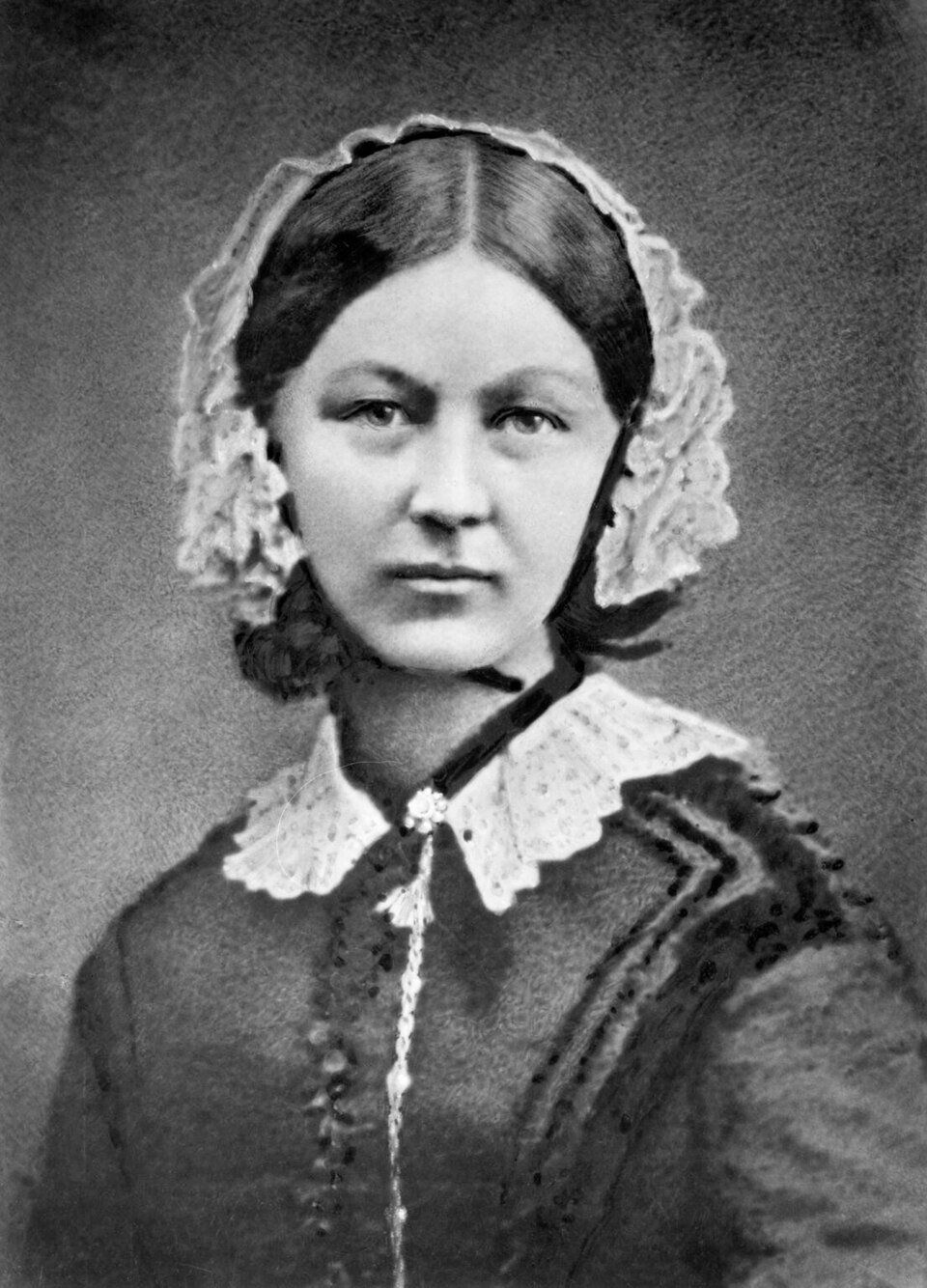
Florence Nightingale
Also known as 弗洛伦斯·南丁格尔
1820 — 1910
Nursing reformer and statistician
A nursing reformer who joined practical care, professional training, and statistical evidence to improve health systems.
Saved lives stay only on this device.
The life behind the name
A life, in context
Florence Nightingale was born in Florence to a British family and grew up with educational opportunities unusual for many women of her time. She pursued nursing despite opposition from relatives who expected a different social role. Her work became widely known during the Crimean War, when she led nurses to care for British soldiers at Scutari in 1854.
Conditions in the military hospitals were severe. Nightingale worked to improve care and organization, while sanitary reforms by other officials were also important to reducing deaths. After returning to Britain, she used records and statistical diagrams to argue for changes in hospital administration and public health. The evidence mattered because it made patterns of illness and preventable harm visible.
In 1860, the Nightingale Training School opened at St Thomas' Hospital in London. Its graduates helped spread professional nursing practices. Nightingale continued to write, advise, and campaign despite long periods of illness. She died in 1910. Her legacy goes beyond the familiar image of a lamp: it includes the careful observation, training, organization, and institutional change needed to make compassionate care dependable.
What they helped make possible
The legacy that continues
Nightingale helped establish professional nurse education and used statistical evidence to advocate for healthier institutions. Her work made the conditions around care part of the clinical and administrative problem. Remembering her also means recognizing the nurses, sanitary workers, patients, and reformers whose combined work improved hospitals.
Moments along the way
A life in chapters
- 1854
Nursing at Scutari
Led a party of nurses to military hospitals during the Crimean War.
- 1858
Evidence for reform
Published statistical work examining the health of the British Army.
- 1860
A nursing training school
The Nightingale Training School opened at St Thomas' Hospital.
- 1907
Order of Merit
Became the first woman to receive the British Order of Merit.
Remembered together
A place to remember together.
Leave a gesture, share a thought, and keep this life close.
Following is saved to your account across devices. “Save for later” keeps a separate bookmark in this browser.
Checking your account…
A quiet moment to remember.
Customs and beliefs differ. Choose a gesture that feels right to you; each is optional.
Shared moments of remembrance
Thoughts on this life
Comments are reviewed before appearing publicly. Share a thoughtful reflection on this person’s life or work.
Suggest a profile correction
Help keep this public record accurate. Suggestions are reviewed before the profile is changed, and a source link is especially helpful for factual details.
Loading shared remembrance…
A personal practice
Carry something forward.
A legacy can begin with one small choice. Write for yourself; these words are never added to the public memorial.
Private to this browser. Turning saving off removes the saved copy. Download a copy to take it with you.
Not saved on this device.
Share this public story
A name, a story and a light to carry forward. This link opens the reviewed public page.
Create a memory book
Choose the stories to keep, arrange their chapters, and make a printable copy. Book edits apply to your exported copy.
Every life is a light. A story to keep.
8 selected chapters
Edit this chapter
Edit this chapter
Edit this chapter
Edit this chapter
Edit this chapter
Edit this chapter
Edit this chapter
Edit this chapter
Read further
Sources & further reading
Explore the published references behind this profile. These links open in a new tab.
- National Army Museum — The Lady with the Lamp (opens in a new tab)www.nam.ac.uk
- Science Museum — The pioneer statistician (opens in a new tab)www.sciencemuseum.org.uk
- Portrait: Henry Hering (1814-1893) · Public domain (opens in a new tab)commons.wikimedia.org
A place for your own remembrance
Is there someone you are remembering?
You can begin with a name and one memory. A private memorial space can hold photographs, stories and the dates your family returns to.
Private by default. You decide what to share.