Technology · American
Claude Shannon
Also known as 克劳德·香农
1916 — 2001
Mathematician and electrical engineer
An engineer and mathematician who established information theory and connected logical operations with electrical circuits.
Saved lives stay only on this device.
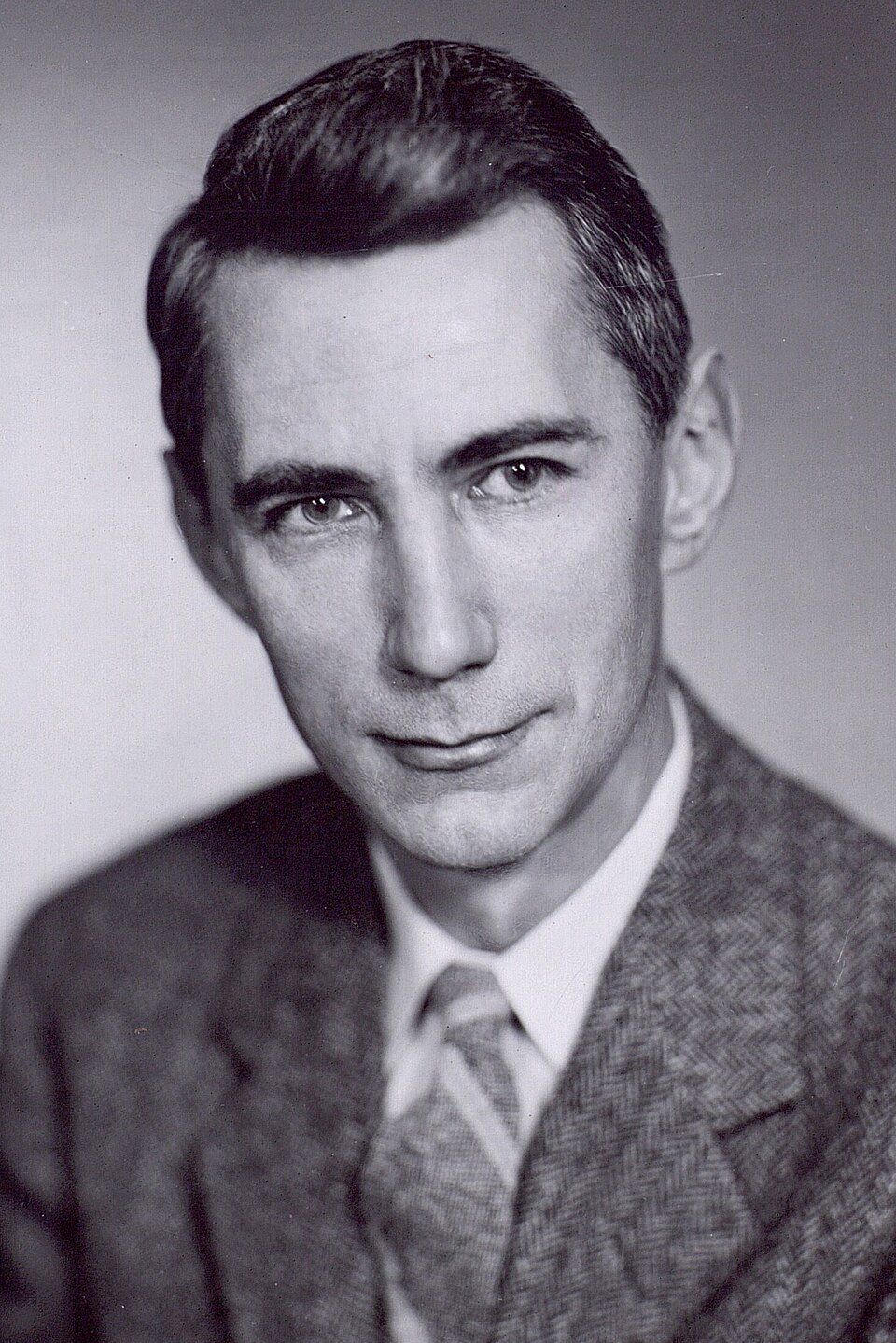
The life behind the name
A life, in context
Claude Shannon was born in Michigan and studied electrical engineering and mathematics at the University of Michigan. At MIT, his master's thesis showed how Boolean algebra could describe relay and switching circuits, providing a powerful connection between logic and electrical design. He later worked at Bell Laboratories, where communication problems encouraged questions about how messages could be represented, transmitted and recovered in the presence of noise.
In 1948, Shannon published A Mathematical Theory of Communication. It defined information quantitatively, examined the capacity of communication channels and established limits and possibilities for reliable transmission. The theory separated these technical questions from the meaning of a particular message, making it applicable to many forms of data. Shannon also investigated cryptography, computing and machine intelligence, while enjoying mechanical inventions and playful experiments. He joined the MIT faculty and influenced generations of researchers. His work underlies important parts of digital communication and data storage, but its lasting value also lies in turning a varied collection of practical problems into precise questions that could be studied mathematically.
What they helped make possible
The legacy that continues
Shannon established mathematical information theory and applied Boolean algebra to switching circuits. These foundations support digital electronics, coding and communication systems.
Moments along the way
A life in chapters
- 1937
Switching-circuit thesis
Connected Boolean algebra with relay and switching circuits.
- 1948
Information theory
Published A Mathematical Theory of Communication.
- 1956
MIT faculty
Became a visiting professor at MIT, later holding the Donnor Professorship.
Remembered together
A place to remember together.
Leave a gesture, share a thought, and keep this life close.
Following is saved to your account across devices. “Save for later” keeps a separate bookmark in this browser.
Checking your account…
A quiet moment to remember.
Customs and beliefs differ. Choose a gesture that feels right to you; each is optional.
Shared moments of remembrance
Thoughts on this life
Comments are reviewed before appearing publicly. Share a thoughtful reflection on this person’s life or work.
Suggest a profile correction
Help keep this public record accurate. Suggestions are reviewed before the profile is changed, and a source link is especially helpful for factual details.
Loading shared remembrance…
A personal practice
Carry something forward.
A legacy can begin with one small choice. Write for yourself; these words are never added to the public memorial.
Private to this browser. Turning saving off removes the saved copy. Download a copy to take it with you.
Not saved on this device.
Share this public story
A name, a story and a light to carry forward. This link opens the reviewed public page.
Create a memory book
Choose the stories to keep, arrange their chapters, and make a printable copy. Book edits apply to your exported copy.
Every life is a light. A story to keep.
7 selected chapters
Edit this chapter
Edit this chapter
Edit this chapter
Edit this chapter
Edit this chapter
Edit this chapter
Edit this chapter
Read further
Sources & further reading
Explore the published references behind this profile. These links open in a new tab.
- Wikipedia — Claude Shannon (opens in a new tab)en.wikipedia.org
- MIT News — Claude Shannon obituary (opens in a new tab)news.mit.edu
- Portrait: Unknown authorUnknown author · CC BY 2.0 (opens in a new tab)commons.wikimedia.org
- Portrait license: CC BY 2.0 (opens in a new tab)creativecommons.org
A place for your own remembrance
Is there someone you are remembering?
You can begin with a name and one memory. A private memorial space can hold photographs, stories and the dates your family returns to.
Private by default. You decide what to share.