Arts · Japanese
Akira Kurosawa
Also known as 黒澤明 · 黒沢明 · 黑澤明 · 黑泽明
1910 — 1998
Film director, screenwriter, and editor
A filmmaker whose precise visual storytelling and attention to moral choice influenced cinema far beyond the settings of his Japanese films.
Saved lives stay only on this device.
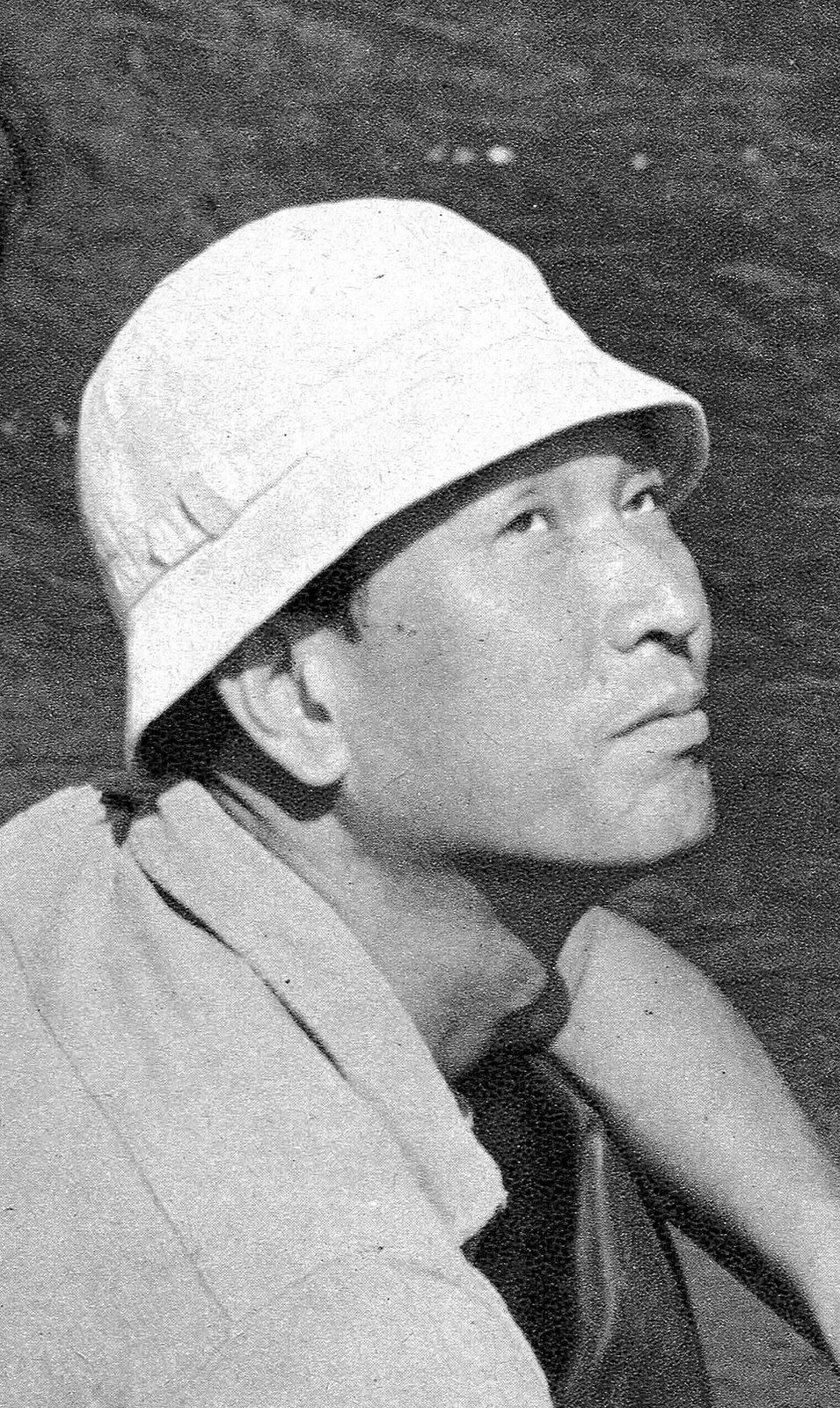
The life behind the name
A life, in context
Akira Kurosawa was born in Tokyo and first pursued painting before entering the film industry as an assistant director. His first feature as director, Sanshiro Sugata, appeared in 1943. In the years after the Second World War, he developed films attentive to violence, social responsibility, and people struggling within damaged institutions. Rashomon, released in 1950, presented conflicting accounts of one event and won the Golden Lion at Venice the following year, helping introduce Japanese cinema to a wider international audience.
Kurosawa's films range from contemporary dramas such as Ikiru and High and Low to historical works including Seven Samurai and adaptations drawing on Shakespeare. He worked repeatedly with actors and technicians whose contributions helped define the films' rhythm, movement, and visual detail. His attention extended to writing, editing, weather, landscape, and the physical arrangement of scenes. Later projects faced financial and personal difficulties, but international collaborators helped make works such as Kagemusha and Ran possible. Kurosawa died in Tokyo in 1998. His influence continues through filmmakers who study his images and rework his stories, while the films themselves remain searching examinations of memory, power, and the consequences of individual decisions.
What they helped make possible
The legacy that continues
Kurosawa expanded cinematic storytelling through dynamic editing, carefully organized movement, and narratives that test competing accounts and ethical choices. His films supported wider international recognition of Japanese cinema and influenced many later directors and genres.
Moments along the way
A life in chapters
- 1943
A first feature
Directed Sanshiro Sugata, beginning his feature-film career.
- 1951
Recognition at Venice
Rashomon received the Golden Lion at the Venice Film Festival.
- 1954
Seven Samurai
Released the historical film that became widely influential internationally.
Remembered together
A place to remember together.
Leave a gesture, share a thought, and keep this life close.
Following is saved to your account across devices. “Save for later” keeps a separate bookmark in this browser.
Checking your account…
A quiet moment to remember.
Customs and beliefs differ. Choose a gesture that feels right to you; each is optional.
Shared moments of remembrance
Thoughts on this life
Comments are reviewed before appearing publicly. Share a thoughtful reflection on this person’s life or work.
Suggest a profile correction
Help keep this public record accurate. Suggestions are reviewed before the profile is changed, and a source link is especially helpful for factual details.
Loading shared remembrance…
A personal practice
Carry something forward.
A legacy can begin with one small choice. Write for yourself; these words are never added to the public memorial.
Private to this browser. Turning saving off removes the saved copy. Download a copy to take it with you.
Not saved on this device.
Share this public story
A name, a story and a light to carry forward. This link opens the reviewed public page.
Create a memory book
Choose the stories to keep, arrange their chapters, and make a printable copy. Book edits apply to your exported copy.
Every life is a light. A story to keep.
7 selected chapters
Edit this chapter
Edit this chapter
Edit this chapter
Edit this chapter
Edit this chapter
Edit this chapter
Edit this chapter
Read further
Sources & further reading
Explore the published references behind this profile. These links open in a new tab.
- British Film Institute — Seven Samurai and Kurosawa’s influence (opens in a new tab)www.bfi.org.uk
- Biography.com — Akira Kurosawa (opens in a new tab)www.biography.com
- Wikipedia — Akira Kurosawa (opens in a new tab)en.wikipedia.org
- Portrait: 映画の友 (Eiga no tomo) · Public domain (opens in a new tab)commons.wikimedia.org
A place for your own remembrance
Is there someone you are remembering?
You can begin with a name and one memory. A private memorial space can hold photographs, stories and the dates your family returns to.
Private by default. You decide what to share.